08 Jun 2015
by janinedonoho
in A Change of View
Tags: autoimmune, bad cartoon fall, British Columbia, broken nose, cherry blossom, Cherry blossoms, ergonomic cane, hematoma, hikes, Ides of March, Intrepid Guy, Janine Donoho, Japanese, Nina Sophia, Penticton, petite aventures, Sakura no Kisetsu, setbacks, ultralight

The illusive Sakura no Kisetsu
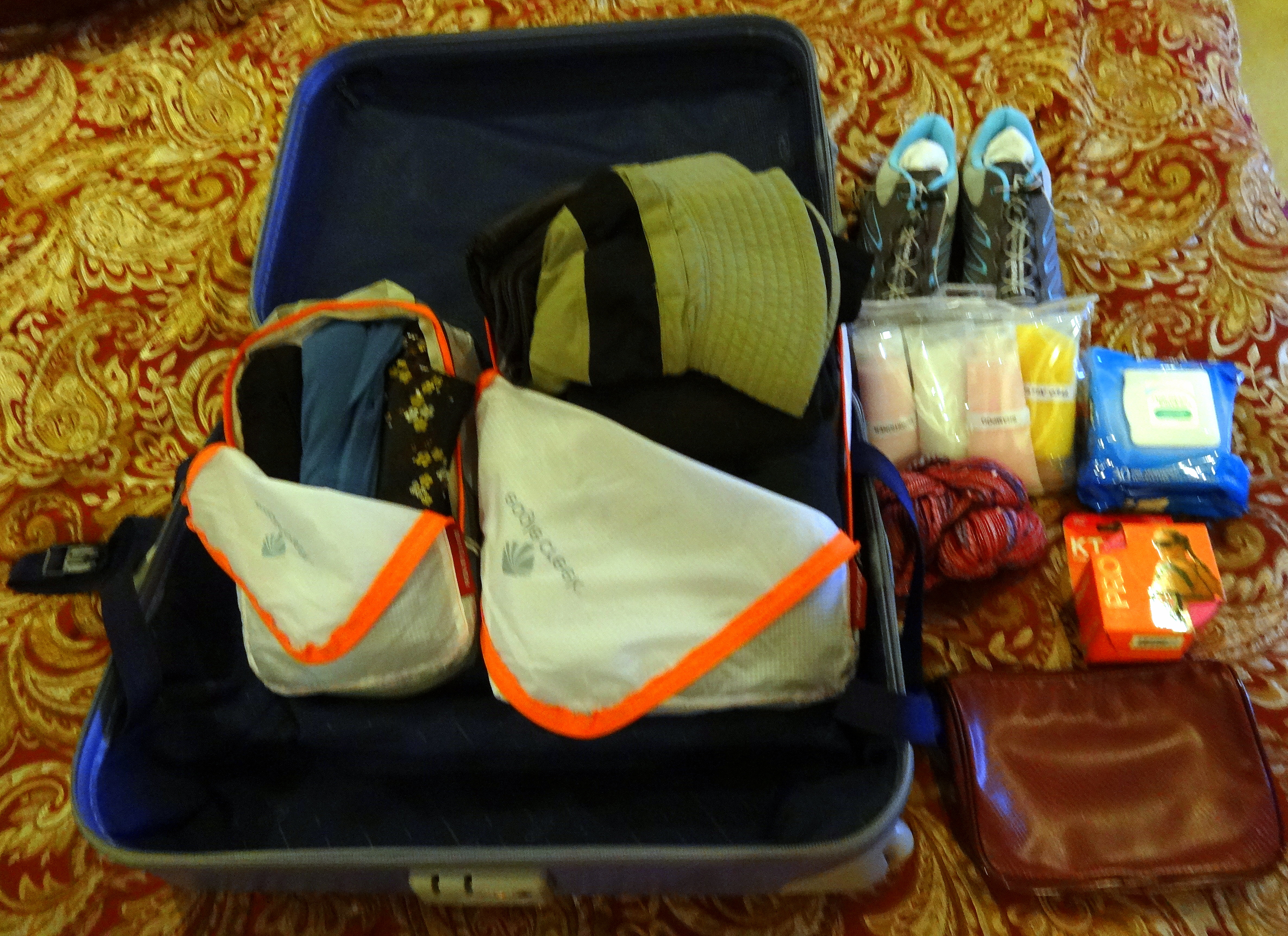
 Throughout March’s billowy gusts and slushy melts, I learned one hundred Japanese words and phrases promised to express 1,000 ideas. Two hour hikes with Nina Sophia filled with practice sessions until she recognized “O-tearai wa loko desu ka?” as an important question, although probably not as “Where’s the bathroom?” By the Ides of March, I knew the names of the snow monkeys inhabiting Jigokudani Park. My 21-inch ultralight suitcase was packed and ready to go for a month of Sakura no Kisetsu—cherry blossom season—in Japan. Except that’s not what happened.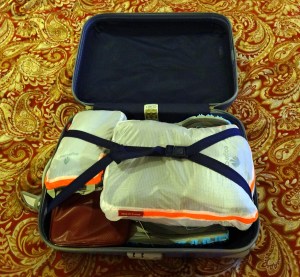
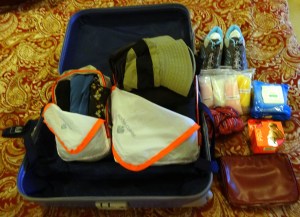
Instead I picked Intrepid Guy up from the Penticton, B.C. on his way to a hospital stay followed by six to eighteen months of trudging toward remission. Trust me, we’d have preferred Sakura no Kisetsu. I unpacked my luggage in half an hour, and then stashed it on a high shelf where I wouldn’t be confronted daily with wretchedness. Except that’s not what happens.
 As my sweet guy tackles this autoimmune nightmare with a medieval regime of drugs that fail to address the issue while killing what was once an entirely beneficial immune system, I’ve put my head down to get through it—again. Frankly, this “leaning in” attitude has gone on a decade too long. Instead of cherry blossoms, we’ve changed course. Yes, I serve as Intrepid Guy’s support system, and he keeps his eyes on the prize of reclaimed health. Even so, I’m discovering petite aventures that keep me close enough for the daily toil, yet allow me to plump up my dehydrated spirits. A

Mt. St. Helen’s knee
trip north to Penticton, British Columbia, went well until a bad cartoon fall left me with a Mt. St. Helen’s hematoma on one knee, a broken nose, and a jaw that’s not quite right. After six weeks, an ergonomic cane suffices for those times when the healing knee buckles. Still I’m back to condensed jaunts elsewhere, which alleviate a graceless tendency to gnaw my own paws. Today I muse over how others deal with setbacks—or worse.
What kinds of setbacks have you experienced? How did you deal?
01 Jun 2015
by janinedonoho
in A Change of View
Tags: Blue Queens, deer-resistant, Dragon's Blood, drought resistant, high desert, Janine Donoho, Lamb's ears, Monarch butterfly, Monet, mule deer, narcissus, Peonies, perennial, Perennial Seed List, Ralph Waldo Emerson, Spring garden rooms, xeriscape, zones 1-3
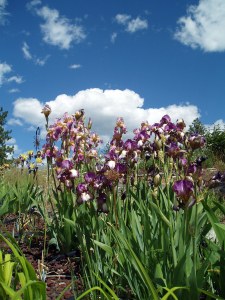
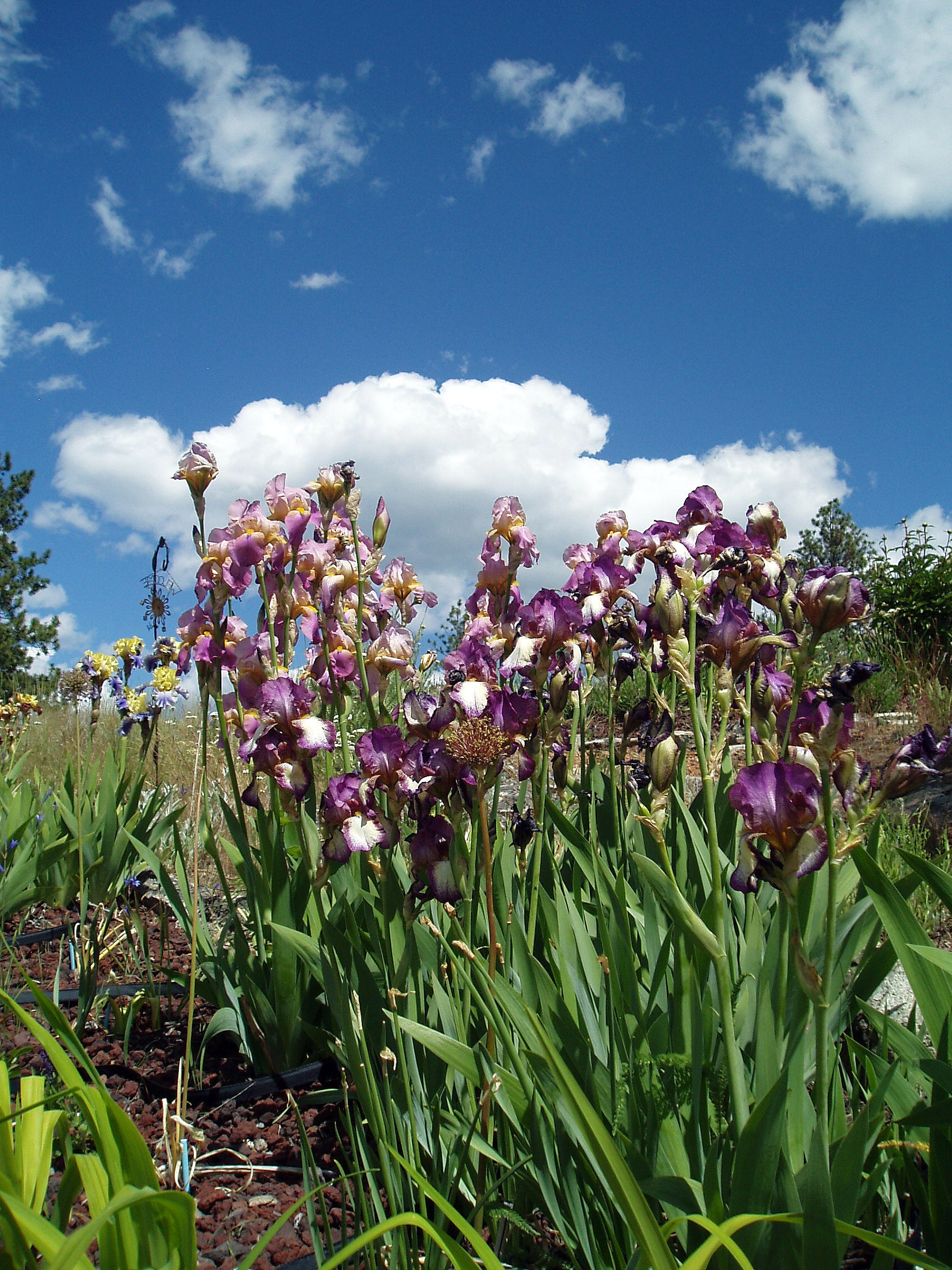
Iris glory
The earth laughs in flowers. – Ralph Waldo Emerson

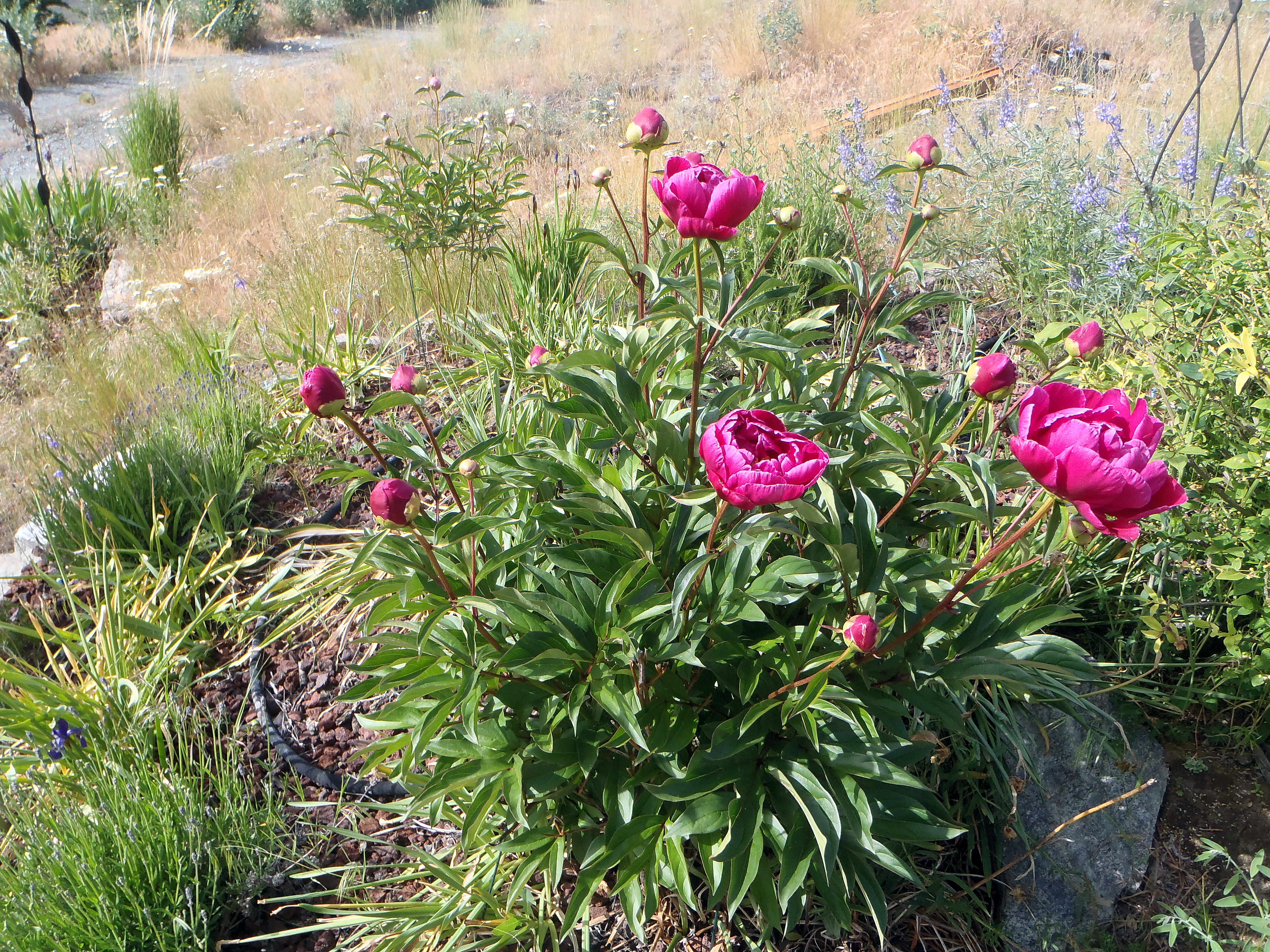
Peonies grown from seed

Narcissus joy
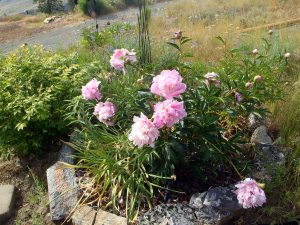
And more peonies…
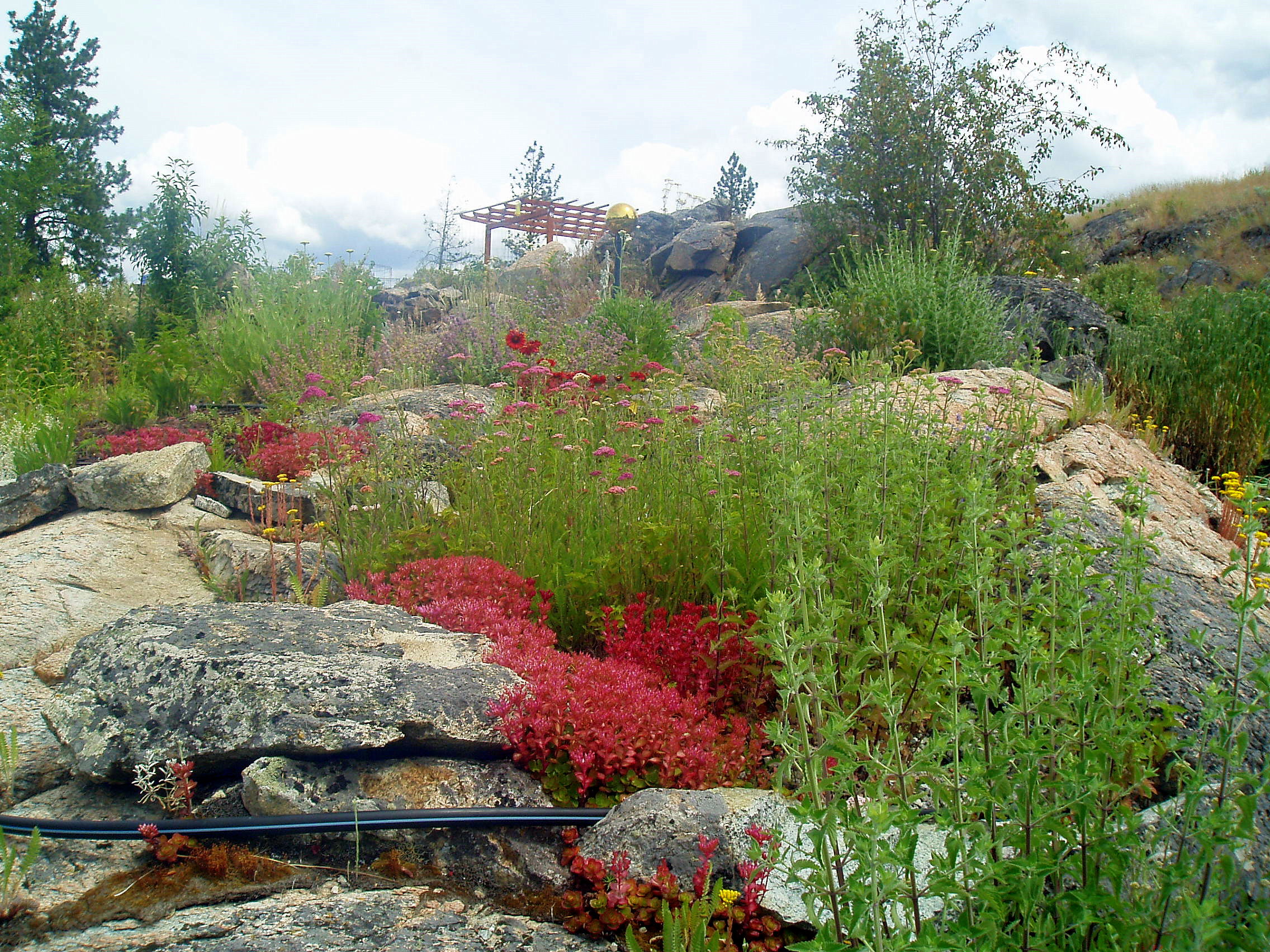
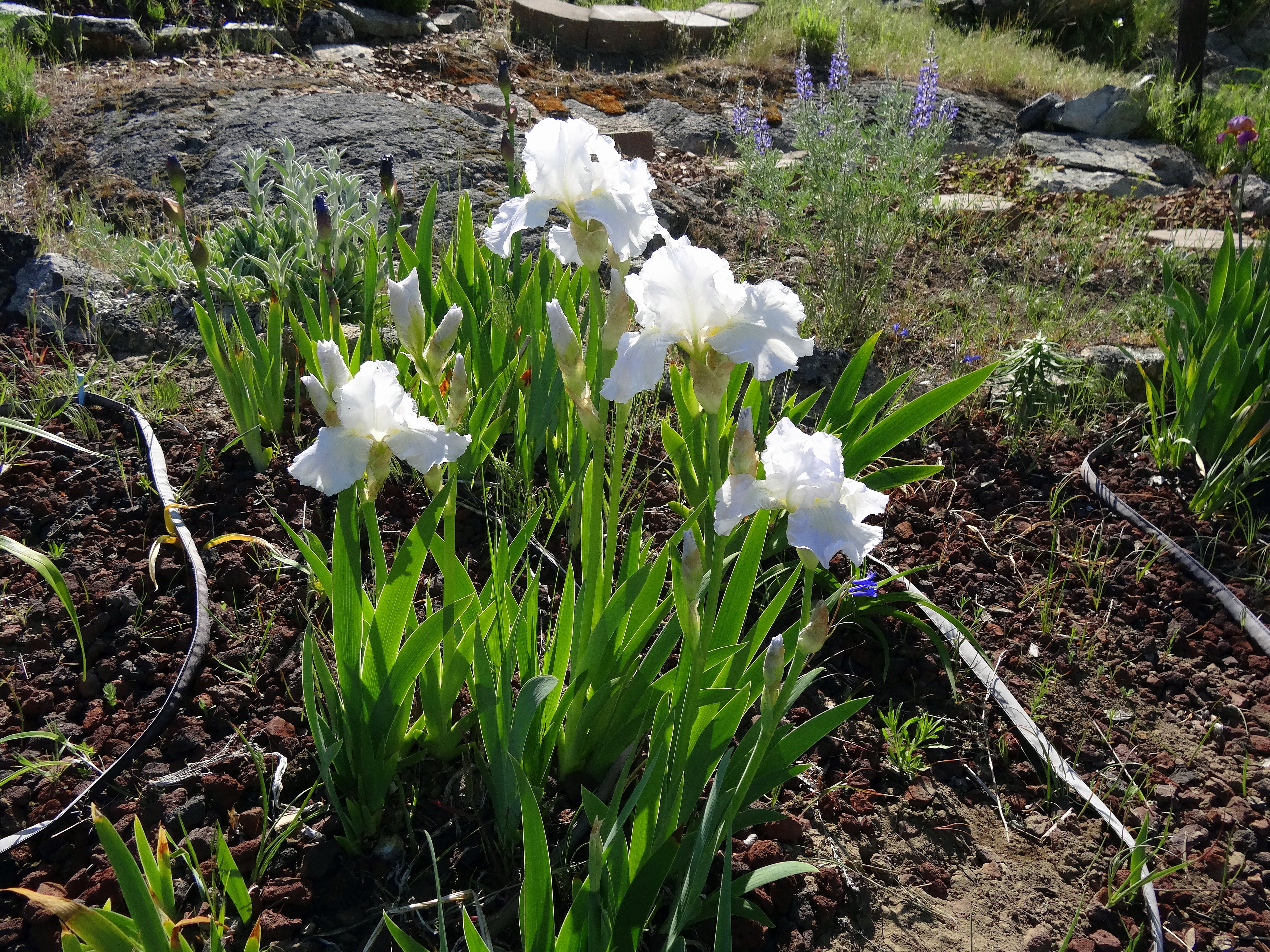
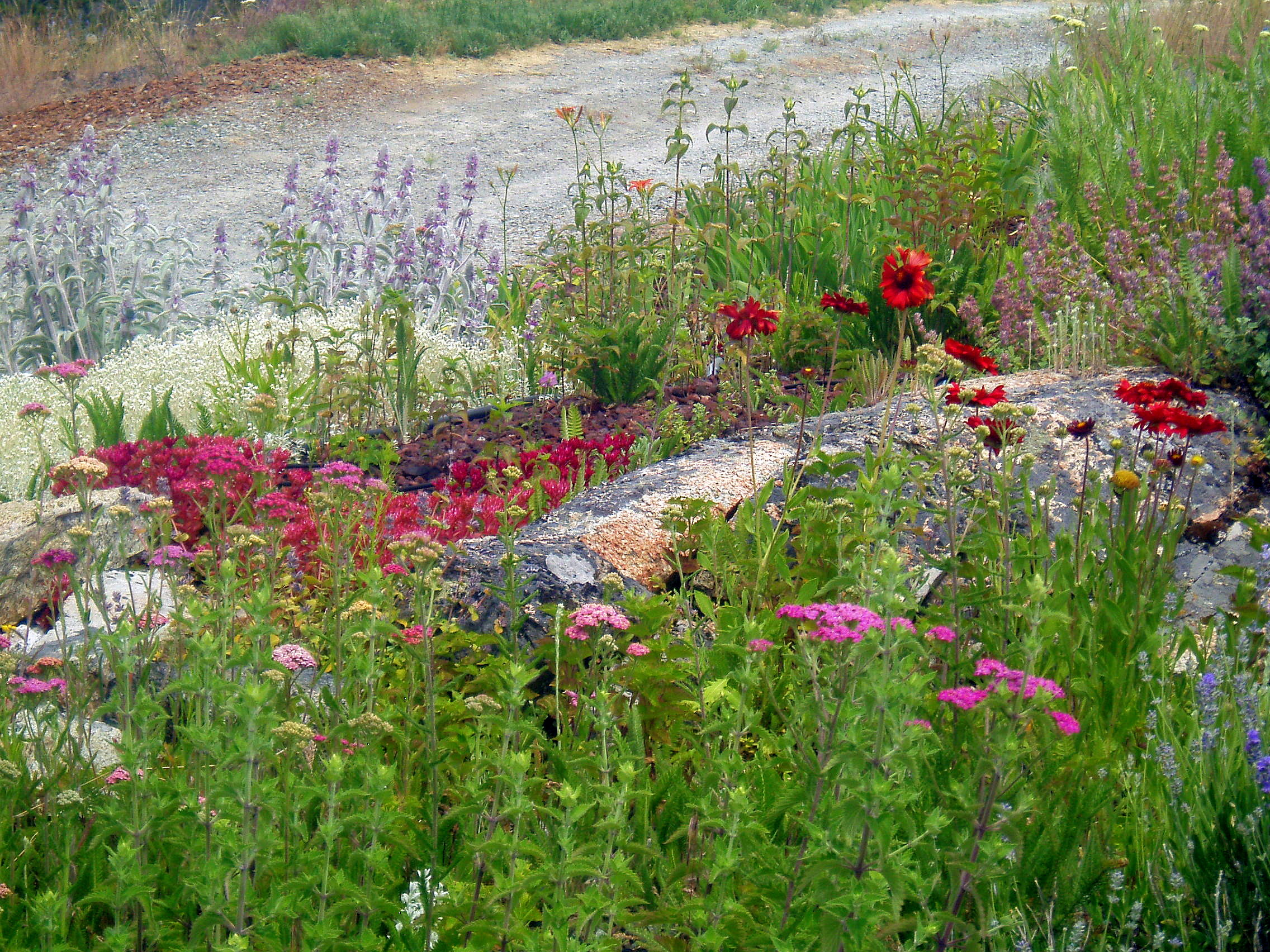
With my edible annuals uncurling their cotyledons toward the sun, it’s time to inhale deeply and appreciate our other garden rooms. As a huge fan of perennials in this high desert environ, I cherish wandering through a decade of xeriscape plantings. Along the way, survivors offer a high-five while I note the vacant places. Perennial doesn’t mean forever, after all.

Before
Then I let my gaze go fuzzy. That’s when textures and colors melt into paintscapes reminiscent of Monet as I plan what edits to make this year. After scribbling a few notes, it’s lovely to settle on one of numerous perches—mostly granite—and absorb both view and birdsong while breathing lush air transformed by plant life.
For your pleasure and because gardeners love to share, I offer a download of my treasured perennial list. Having cultivated an excess of three hundred and fifty plant seeds here—all chosen for zones 1-3, deer- and drought-resistance along with their bountiful exuberance—these mighty ones form the structural backbone. Most of them nourish wildlife ranging from Monarch butterfly to mule deer.
Now relax and enjoy this walk in my gardens with me.
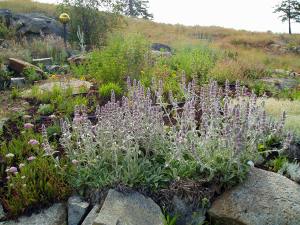
Lamb’s ears
What’s your approach to gardening? Are you primarily a fan of annuals or perennials?
Garden – J-9’s Favorite Perennial Seed List

Dragon’s Blood Sedum

Luminous whites

Gorgeous purples
25 May 2015
by janinedonoho
in A Change of View
Tags: Alfred Hitchcock, baboon, big horn sheep, Botany, cannonball fruit, conservation biology, courtship song, diurnal, elephants, Ernest Hemingway, ginger garden, gonads, Indian wolf, jambul, Janine Donoho, Japanese ornithologist, John Steinbeck, Jurong Bird Park, lime juice, mata puteh, National Orchid Gardens, nocturnal, orangutans, predators, pythons, Raffle's, rainforest, recipe, rhizomes, Rudyard Kipling, Seng Poh, sharma, Singapore, Singapore Botanical Gardens, Singapore Slings, Somerset Maugham, songbirds, Symphony Lake, territorial song, tiger, Tiong Bahru, travel, Tyersall Avenue, University of Washington, Zoological Gardens, Zoology
A journey is a person in itself; no two are alike. And all plans, safeguards, policing, and coercion are fruitless. We find that after years of struggle that we do not take a trip; a trip takes us. – John Steinbeck
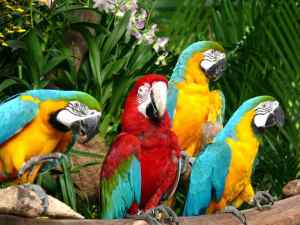
Jurong Bird Park

White tiger enclosure
Travel to Singapore coincided with Intrepid Guy’s work. While waiting for his ship, we explored the numerous historical sites including Raffle’s writers’ bar once frequented by Somerset Maugham, Alfred Hitchcock, Ernest Hemingway, and my personal favorite, Rudyard Kipling. There we imbibed overpriced and watery Singapore Slings.
While squeaky clean Singapore has much to recommend it, this trip came shortly after taking my conservation biology degree at University of Washington. Some of my favorite memories include close interactions with pythons, orangutans, and elephants. The lingering tartness of lime juice, imbibed by the pint, recalls traipsing through Singapore Botanical Gardens where their National Orchid Gardens nestles between scenic Tyersall Avenue, Symphony Lake, and the ginger garden, where high humidity and heat released spicy aromatics from the rhizomes.

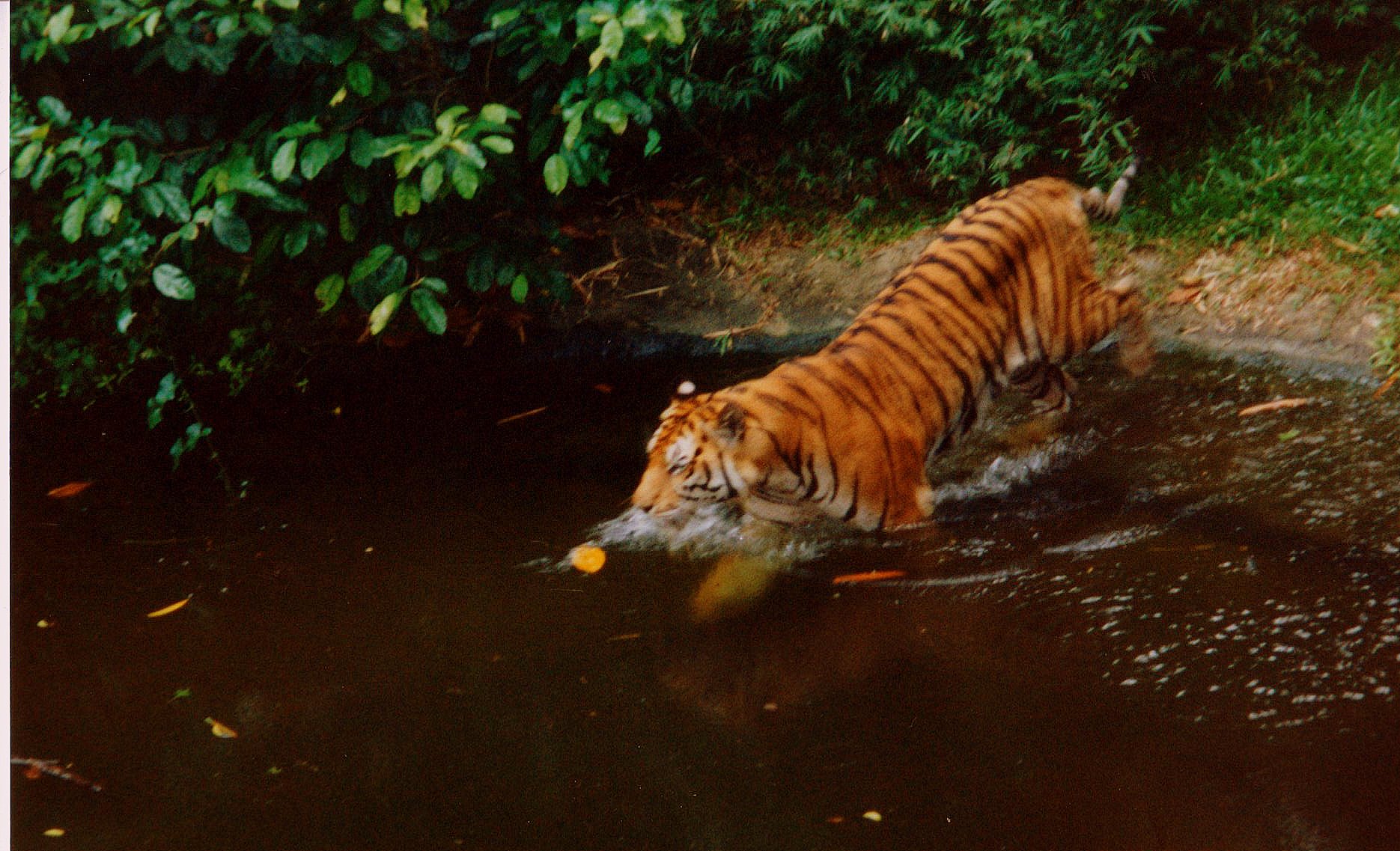
Tiger by night

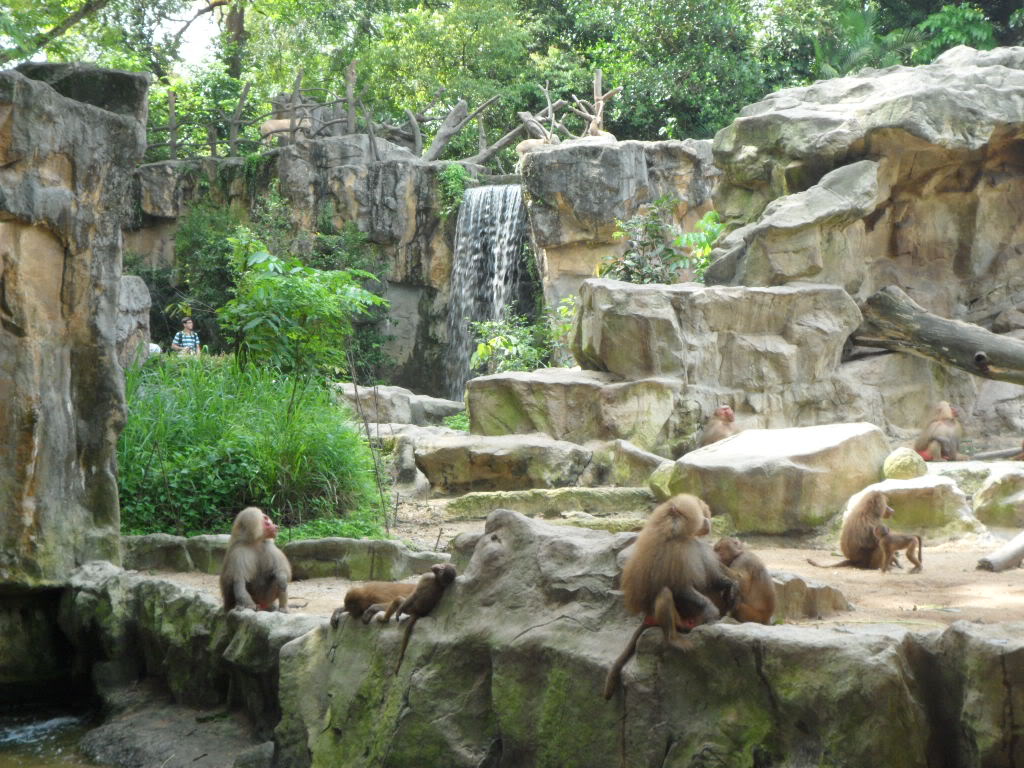
Baboon enclosure
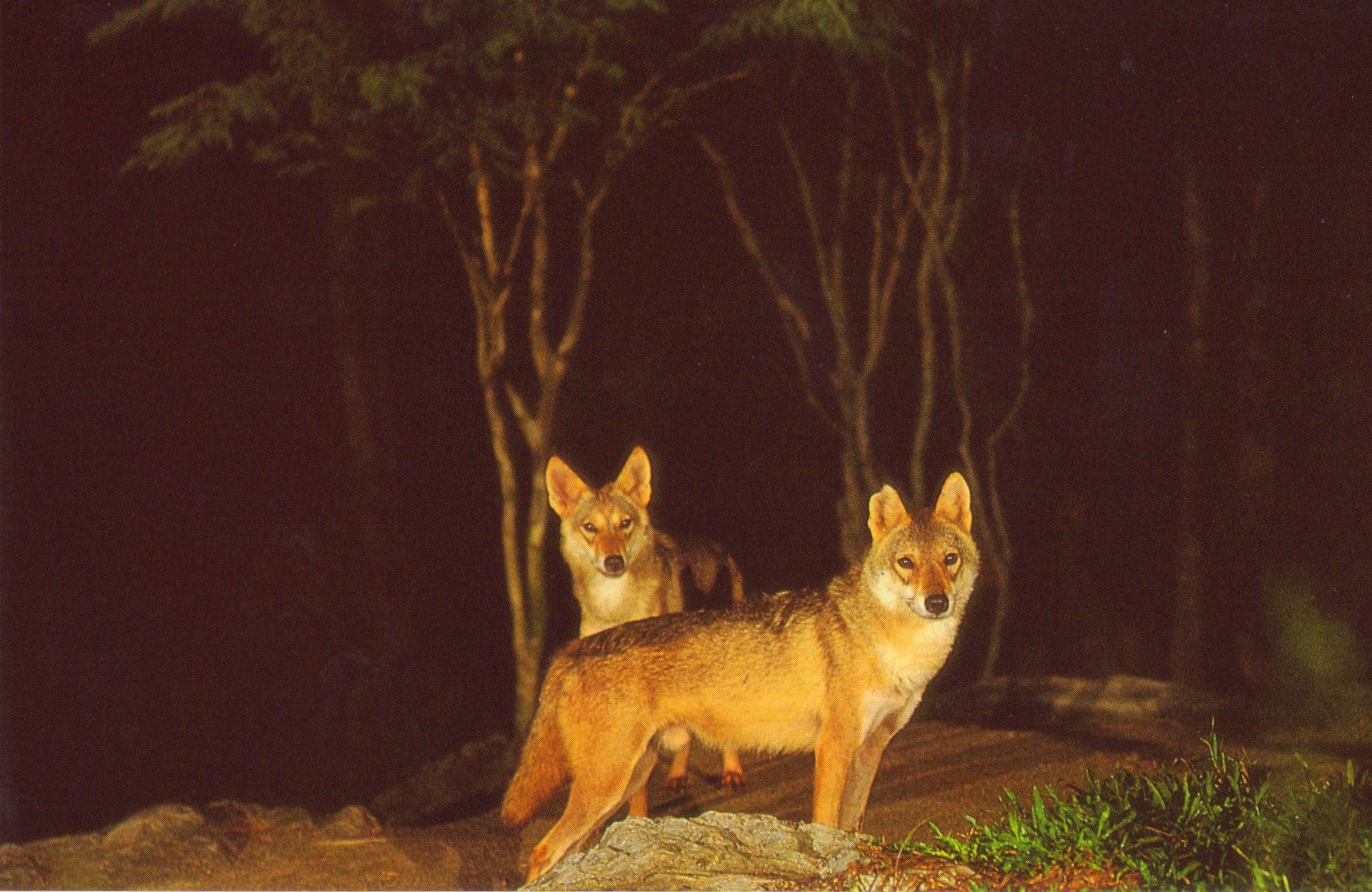
We lingered through the mind-boggling greens of rainforested afternoon into dusk, then full night at the Zoological Gardens, where natural features like water moats and growing barriers separate human predators from rainforest natives. During daylight we ogled diurnal inhabitants, and then scanned twilight for nocturnal activities. The cannonball fruit clustered along hanging walkways called to mind the supersized gonads of male bighorn sheep. And no, zoologists don’t blush when making these admittedly odd associations.
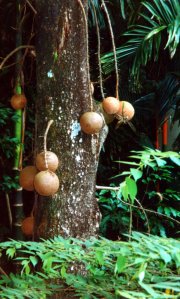
Cannonball fruit
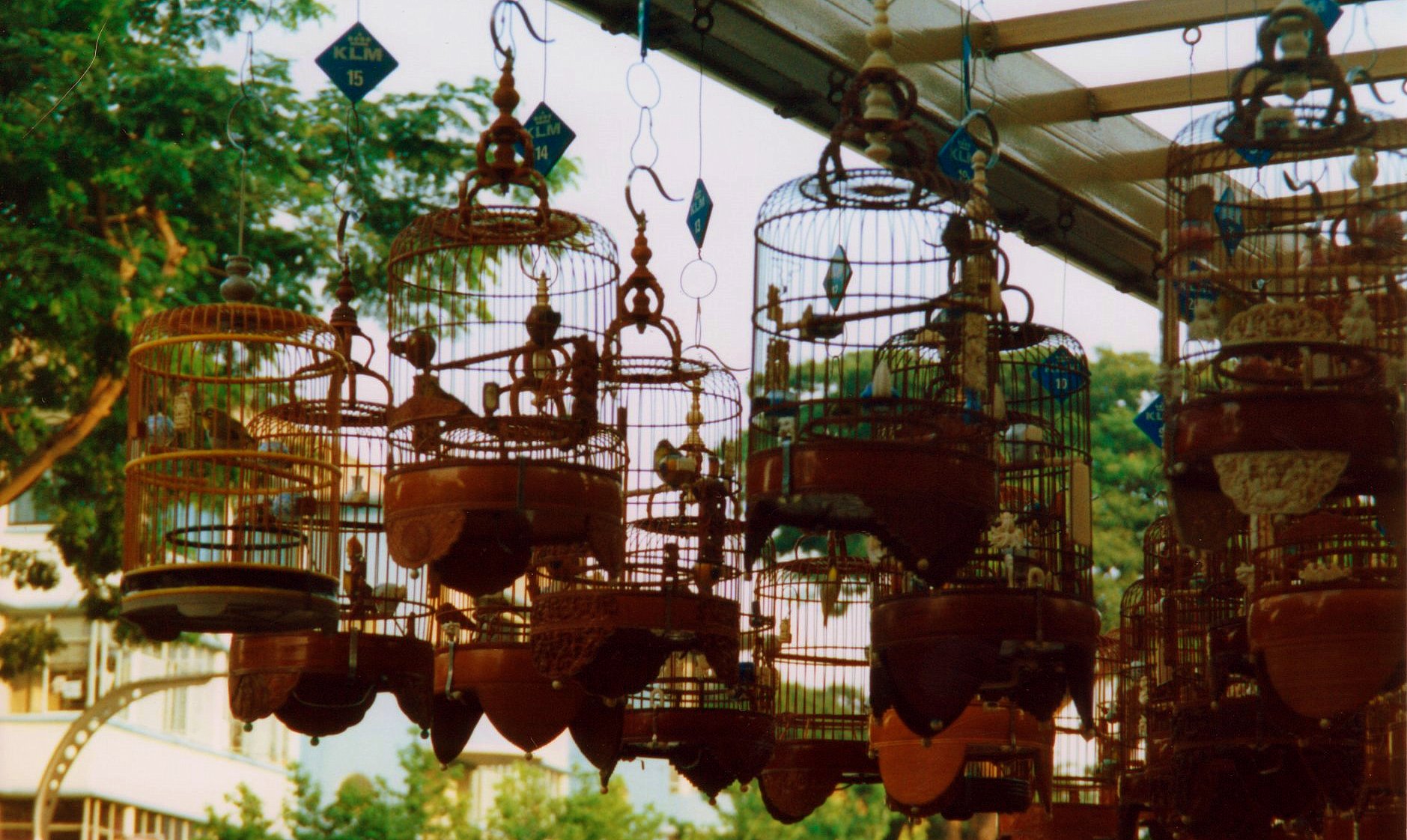
The delights of Jurong Bird Park paved my path to a coffee shop in the triangle where Tiong Bahru and Seng Poh roads meet. There I lingered on my last Sunday morning with a Japanese ornithologist whose English surpassed my Japanese. On a lattice above us dangled ornate cages holding single birds clustered together in breed specific groupings. Mostly eyes and voices, white-eyed mata putehs, black crested jambuls, and sharmas—whose showy tail feathers exceed their body length—congregated weekly to practice their songs while their owners boasted. As the songbirds trained for future competitions, their complex singing washed over us. I found myself overcome by both their resilient and yet fragile beauty along with my unexpected grief—how else could a confined bird learn her song? The birds’ courtship and territorial songs haunt me still. An exquisite cage is still a cage.
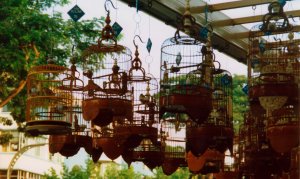
Why the caged bird sings
Now enjoy this recipe for my favorite lime drink

Lime drink – yum!
Ingredients:
- 3-4 limes
- 840 ml / 4 c cold water
- 90 g / 3 tbsp sugar
- 140 ml / 1 c boiling water
How to make Lime Drink:
- Wash and wipe dry limes. Roll each lime on table with palm to soften it.
- Cut lime skin as thinly as possible. Do not cut the white part as it will make the drink bitter.
- Pour freshly boiled water over lime skin and sugar.
- Stir till sugar dissolves. Cover for 10-15 minutes. Cool.
- Cut limes crosswise and squeeze juice.
- Strain lime juice and syrup into a glass jug.
- Add cold water and mix well.
- Cool in refrigerator before serving.

Nocturnal Indian wolf
18 May 2015
by janinedonoho
in A Change of View
Tags: Banana Legs tomatoes, basils, bear, bird netting, Bulldog okra, chipmunks, Corno di Toro Rosso peppers, cucumbers, deer, Dinosaur zucchini, Dragon Tongue beans, Earth Whispers, eggplants, fruits, Garden of Eating, garden rooms, hoops, Janine Donoho, marigold, marmots, Mediterranean garden, melons, moose, nasturtium, natural deterrents, New Queen melons, perennial flowers, Planet Earth, predatory insects, seed catalogs, shrubs, squirrels, Stars and Stripes eggplant, Sugar Cube melons, Sweet Baby Doll melons, tomatoes, vegetables, wildlife
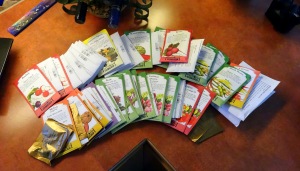
In the beginning…
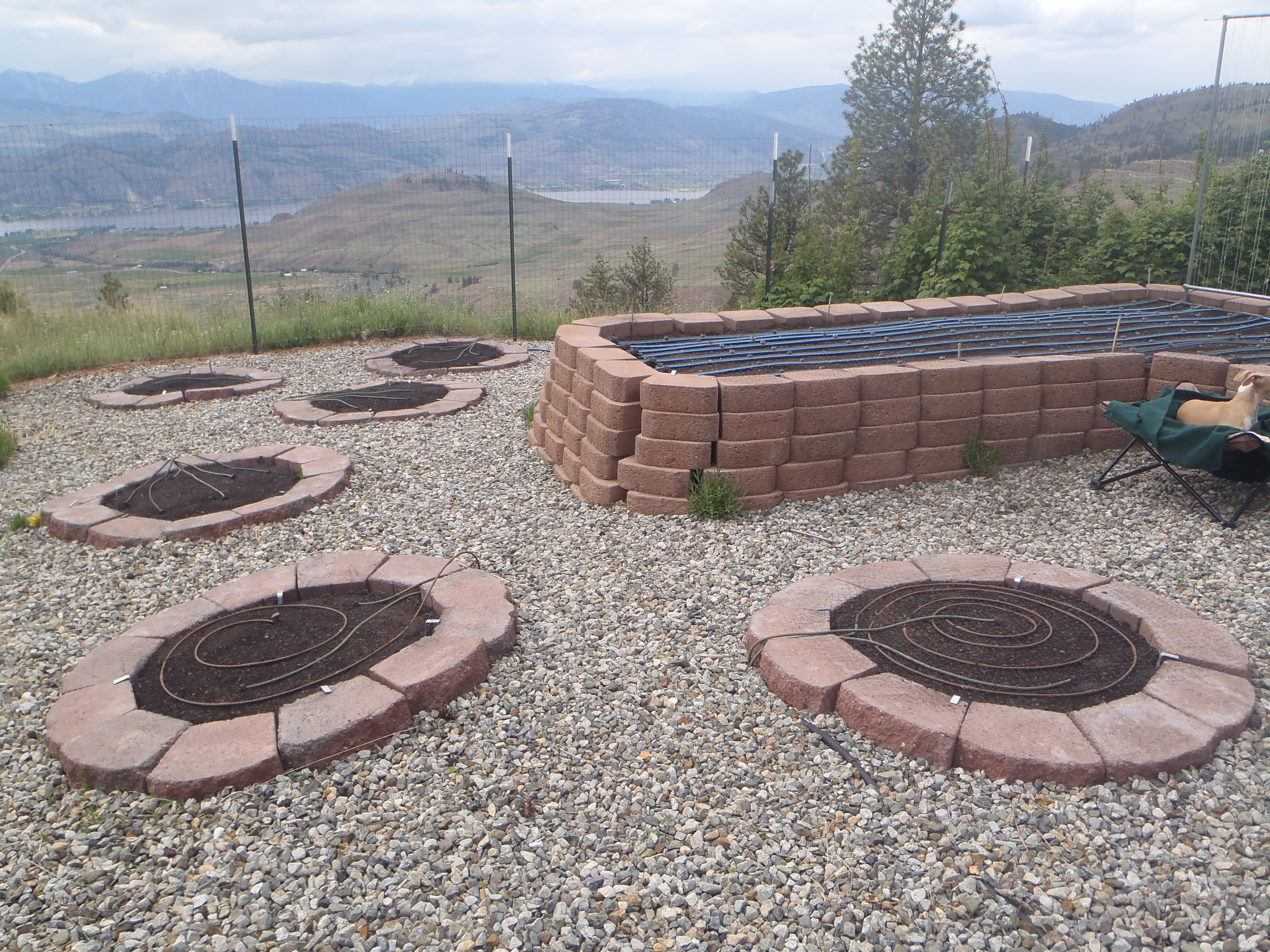
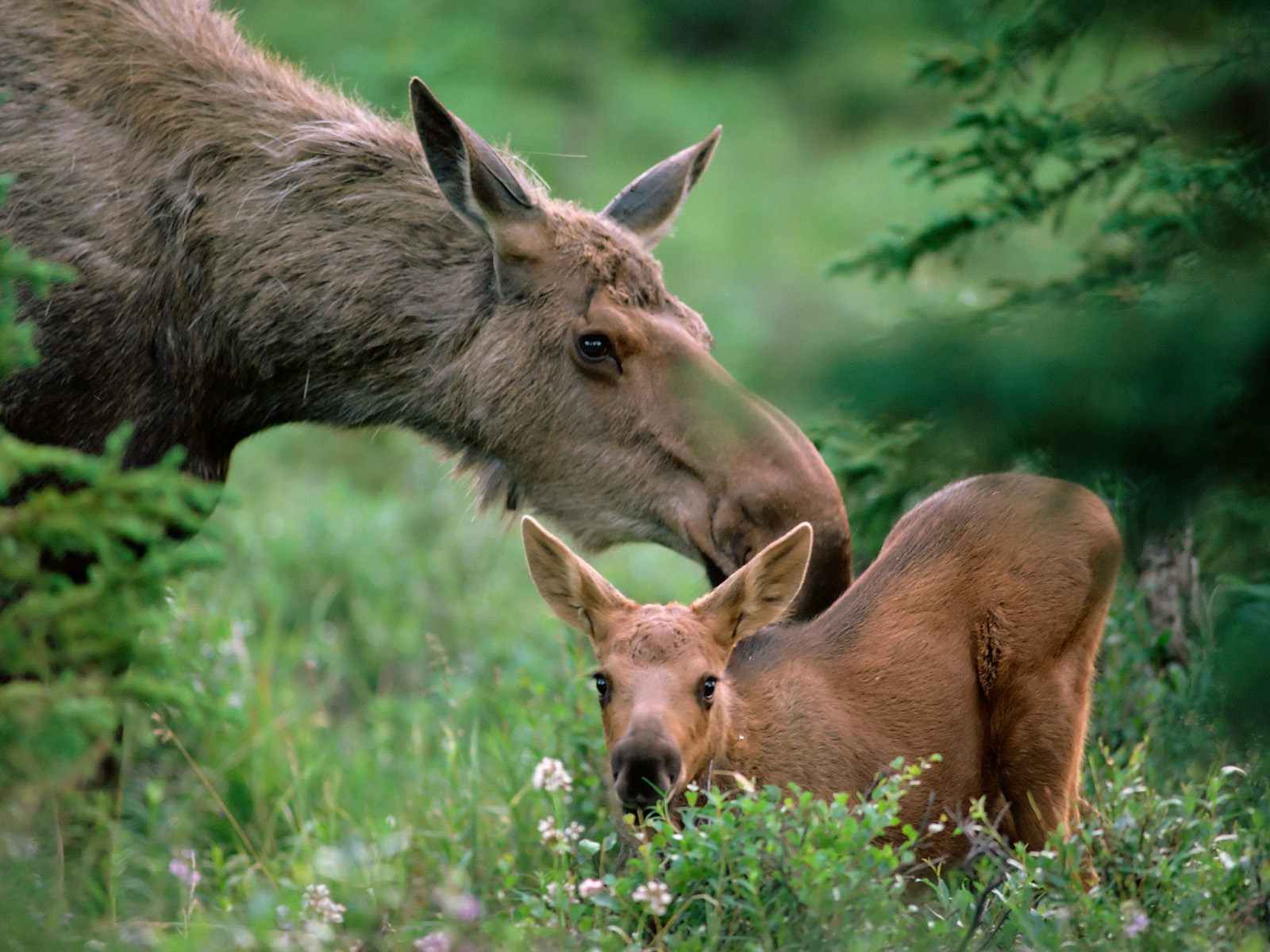
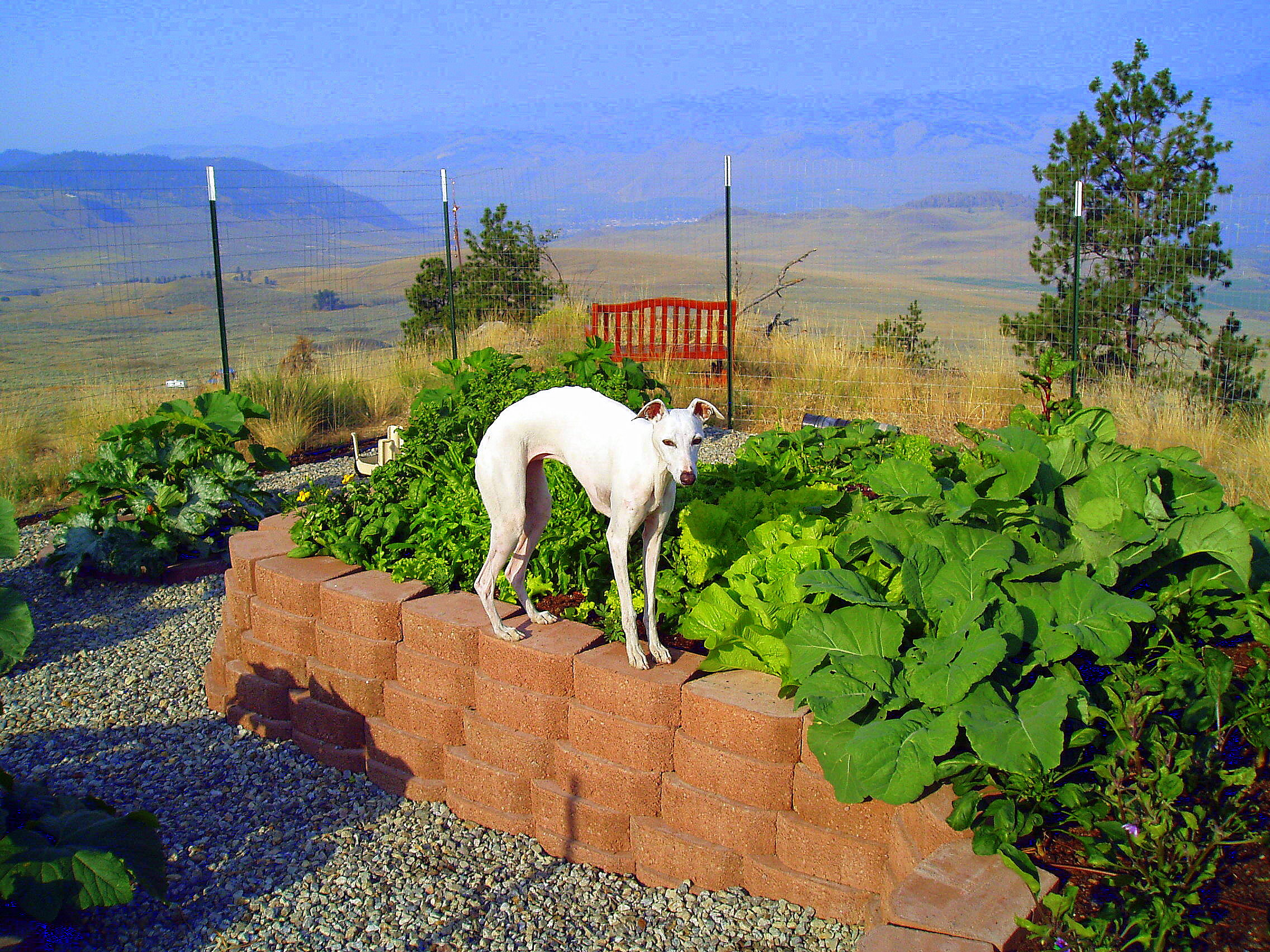
Even as our beautiful living space known as Planet Earth heats beyond her best health, when spring comes to these highlands, my yearning turns to my annual Mediterranean garden. When we moved here over a decade ago, we immediately laid out our garden rooms with the most sacrosanct going to my vegetable and fruit space. That’s the only one I’m unwilling to share with the local wildlife. Deer, bear, moose, marmots, squirrels, and chipmunks don’t share when it comes to succulent cucumbers, basils, tomatoes, melons, and eggplants.
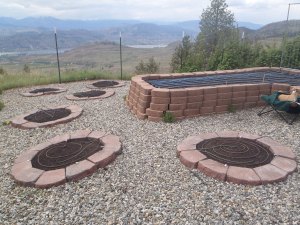
Planting the mounds
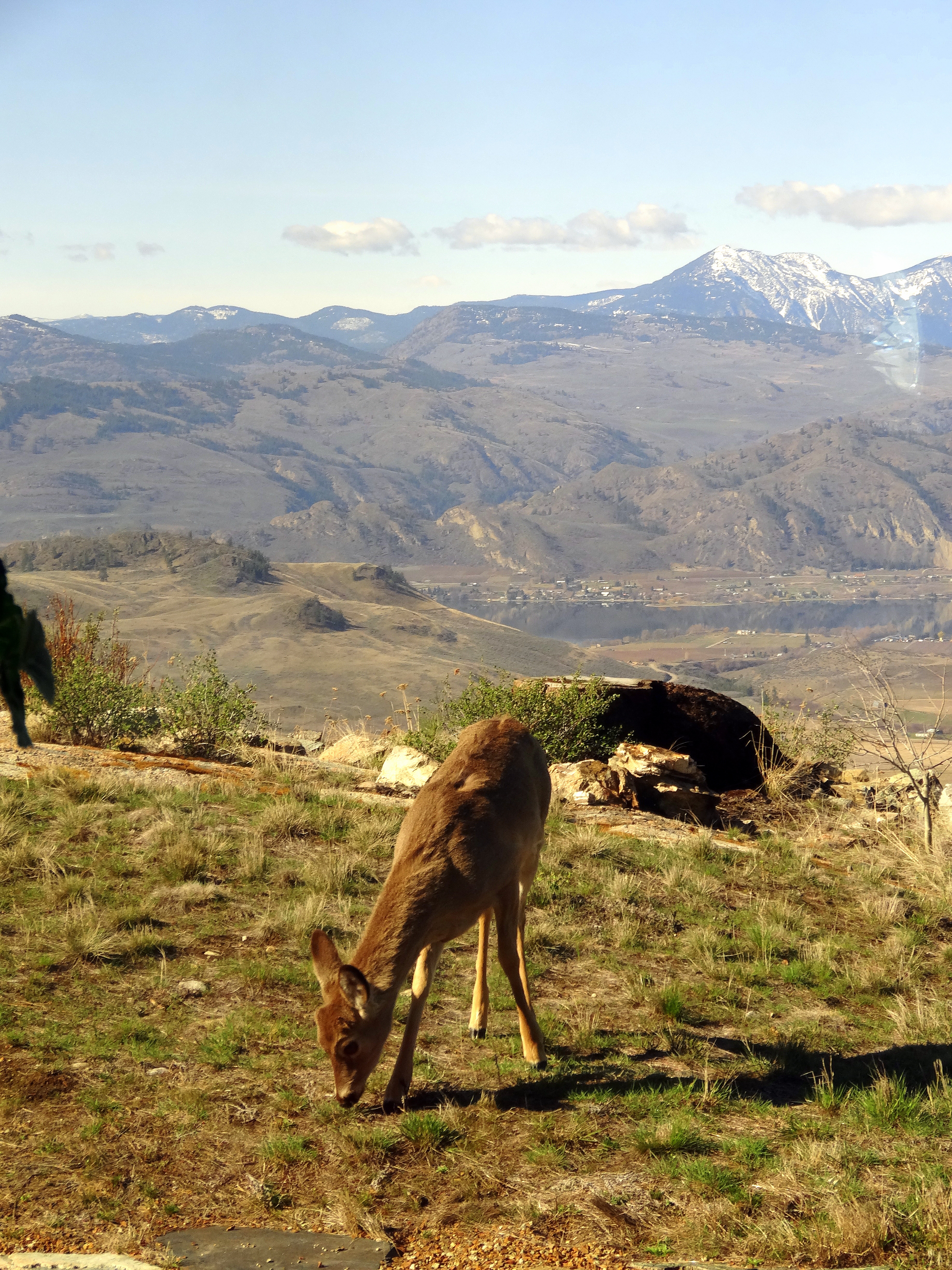
Last year’s attempt to grow melons outside my fenced area ended with humorously frustrating views of a doe and her two fawns standing on the boxes as they tugged leaves and melons through the bird netting. Since I grow perennial flower and shrub offerings specifically for native fauna in other garden rooms, it’ll be aromatic herbs and greens in those vulnerable boxes this season. Hoops versus netting may allow me some share of the harvest, too. Lessons learned.
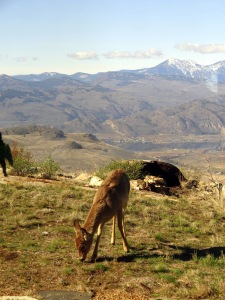
Native browsers
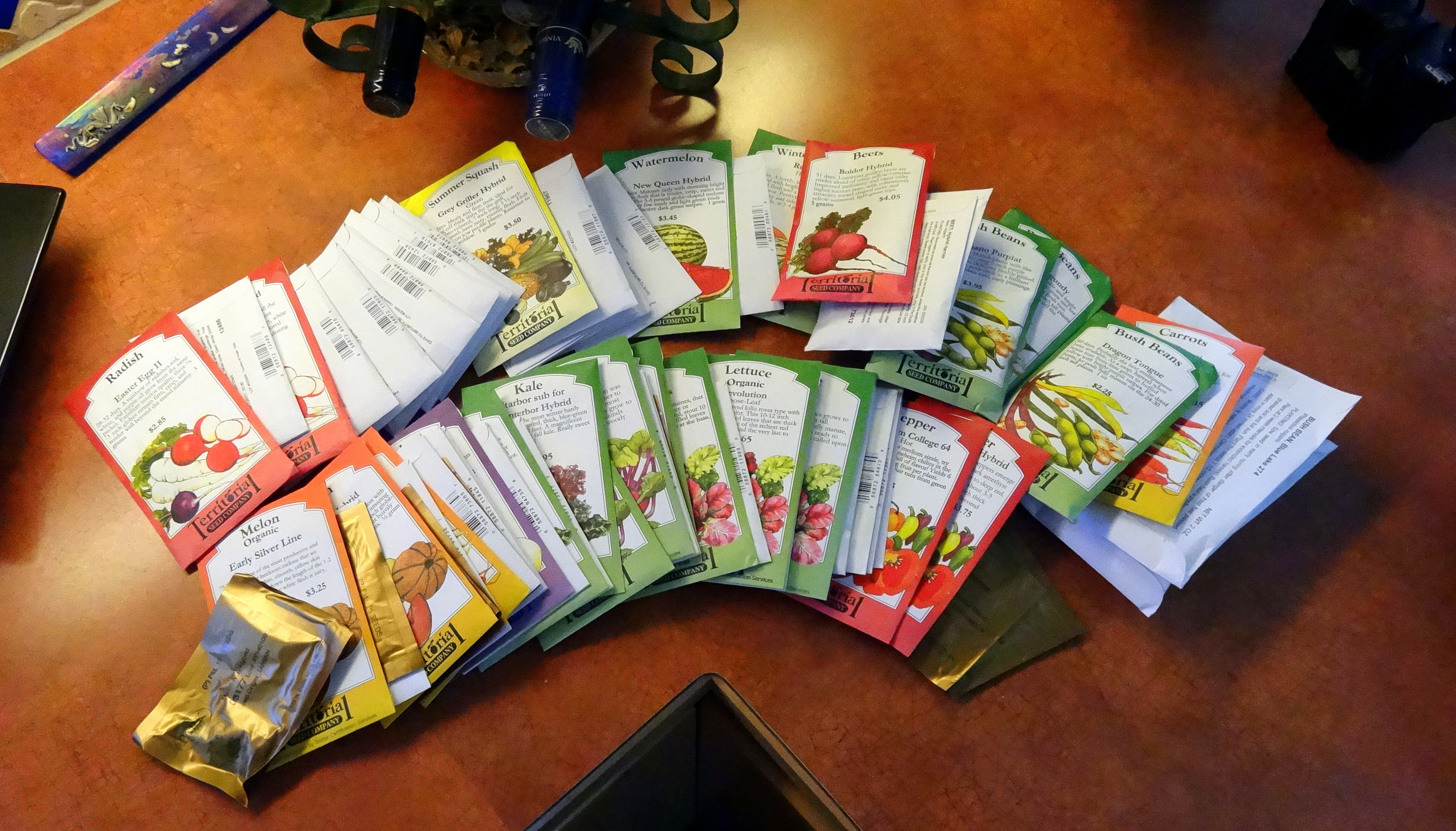
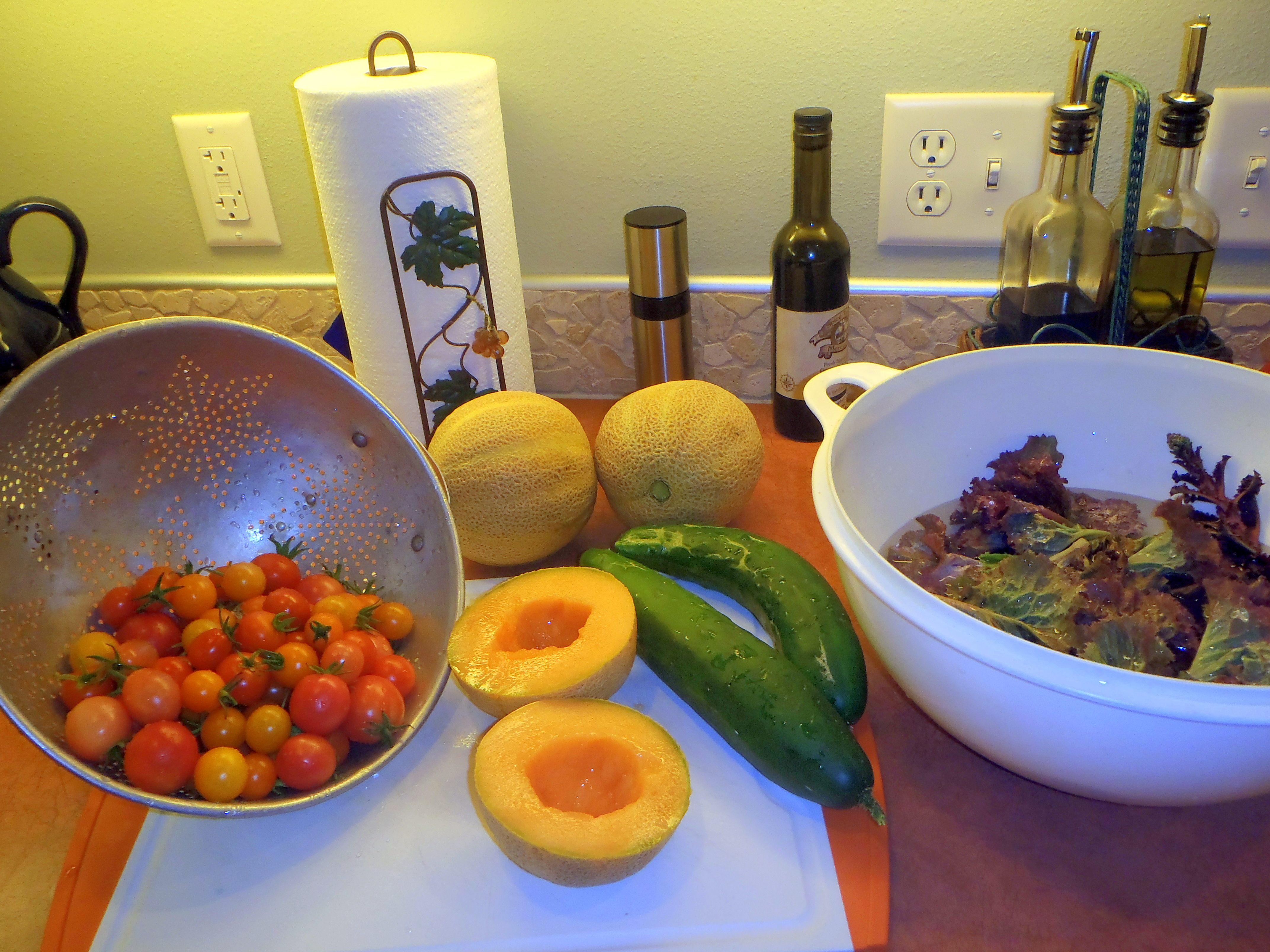
Seed catalogs brighten winter and this year’s fresh delights? Sweet Baby Doll, New Queen, and Sugar Cube melons; Stars and Stripes eggplant; Dinosaur zucchini; Banana Legs tomatoes; Bulldog okra; Dragon Tongue beans; and Corno di Toro Rosso peppers. These novelties join the reliable varieties leading to baskets of harvest. Surrounding those will be the usual suspects of carrot rainbows, piquant radishes, robust spinach, kale bliss, luscious chard, and lettuces with plenty of marigold and nasturtium to act as natural deterrents to predatory insects.
I wish you a productive gardening season, my friends, and hope you’ll share your successes, too.
What do you love to grow in your gardens? Please share those experiments that led to ah-ha moments.
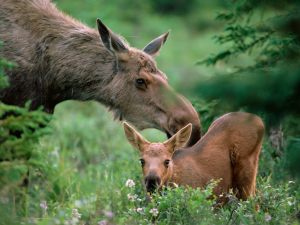
These beauties love my vegetable patch too much.
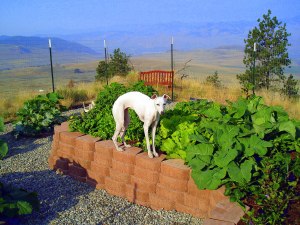
Previous season with garden helper.
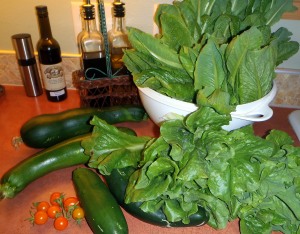
The why of it.
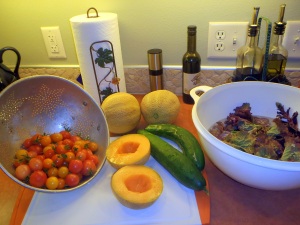
Melons and salad
11 May 2015
by janinedonoho
in A Change of View
Tags: Algarve, April Fair, Greece, infinite perspective, Italy, Janine Donoho, language submersion, Lao Tzu, Lisbon, mint tea, Morocco, Open arrivals, Peruvian musicians, Plains Indians, Plan A, Portugal, Seville, Spain, The Atlantic, Turkey
A good traveler has no fixed plans, and is not intent on arriving. – Lao Tzu
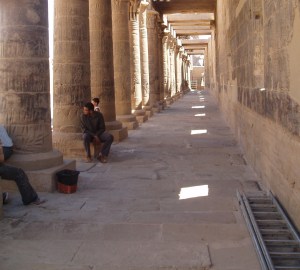
Infinite perspectives

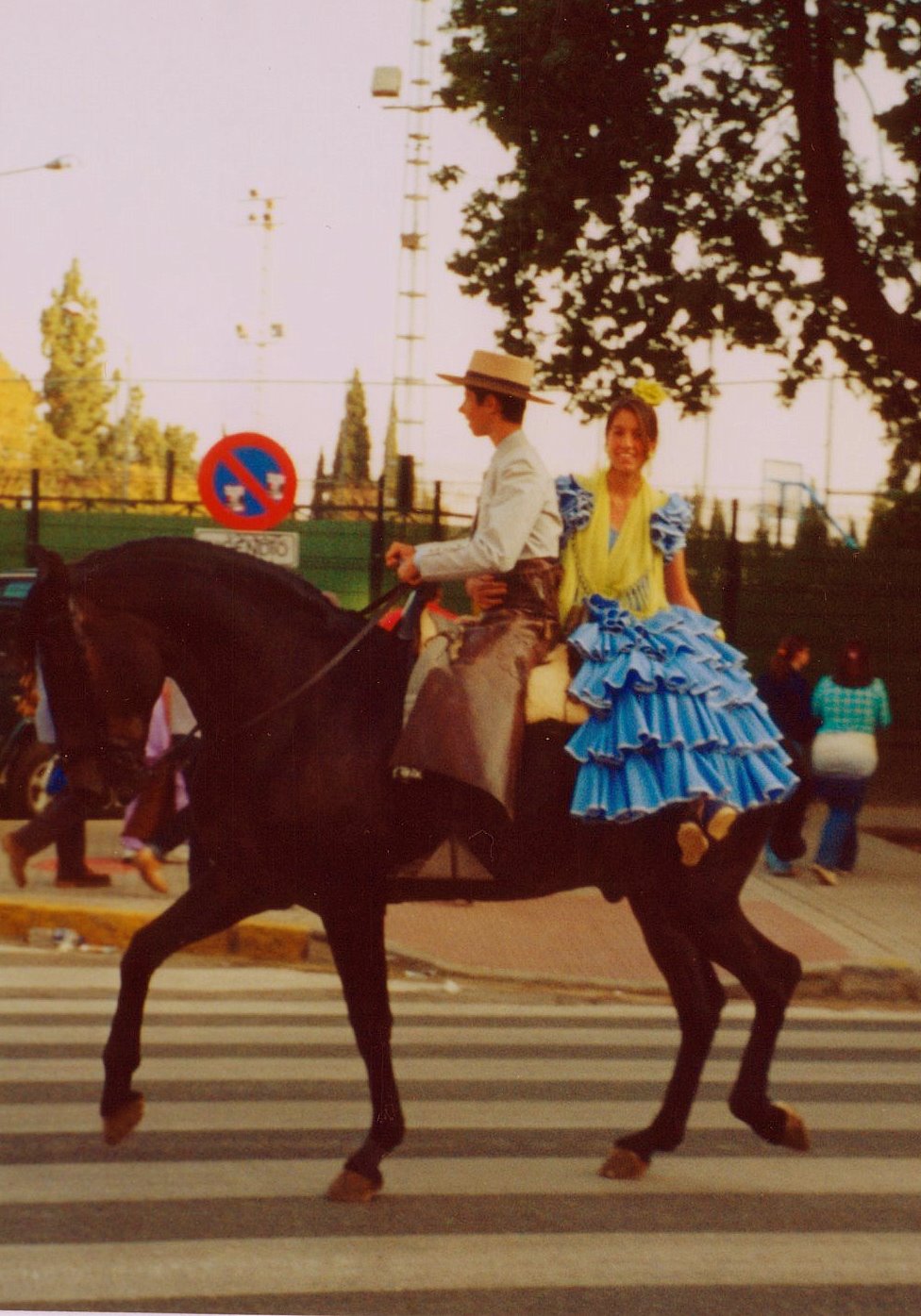
Seville April Fair
Travel tactics adapt well to life in general and writing, specifically. My favorite journeys coincide with few fixed plans and an open view of what can be experienced in the moment. Yes, I relish travel books that highlight the amazing, and even rank options according to what I hope to explore.
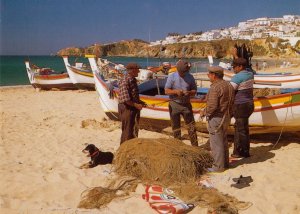
Fishermen of the Algarve in Portugal
Dependent on the time available, Plan A receives the most attention, then on to B, C…what I call ‘guerilla tourism.’ That equates with focusing on impactful choices first. This approach leaves ample room for unexpected delights and curiosity-driven jaunts, which often lead to the road less traveled along with amazing connections. It helps if you’re open to making animal sounds when language fails.
There have been places where I considered living for a while—say six months or more. Areas of Spain, Morocco, Turkey, Greece, Portugal, and Italy still call to me. Wouldn’t it be exciting to absorb language through submersion? My attitude? Not dead yet, so who knows what the future holds.
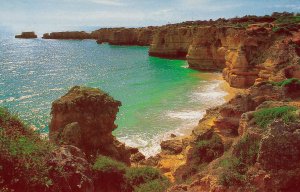
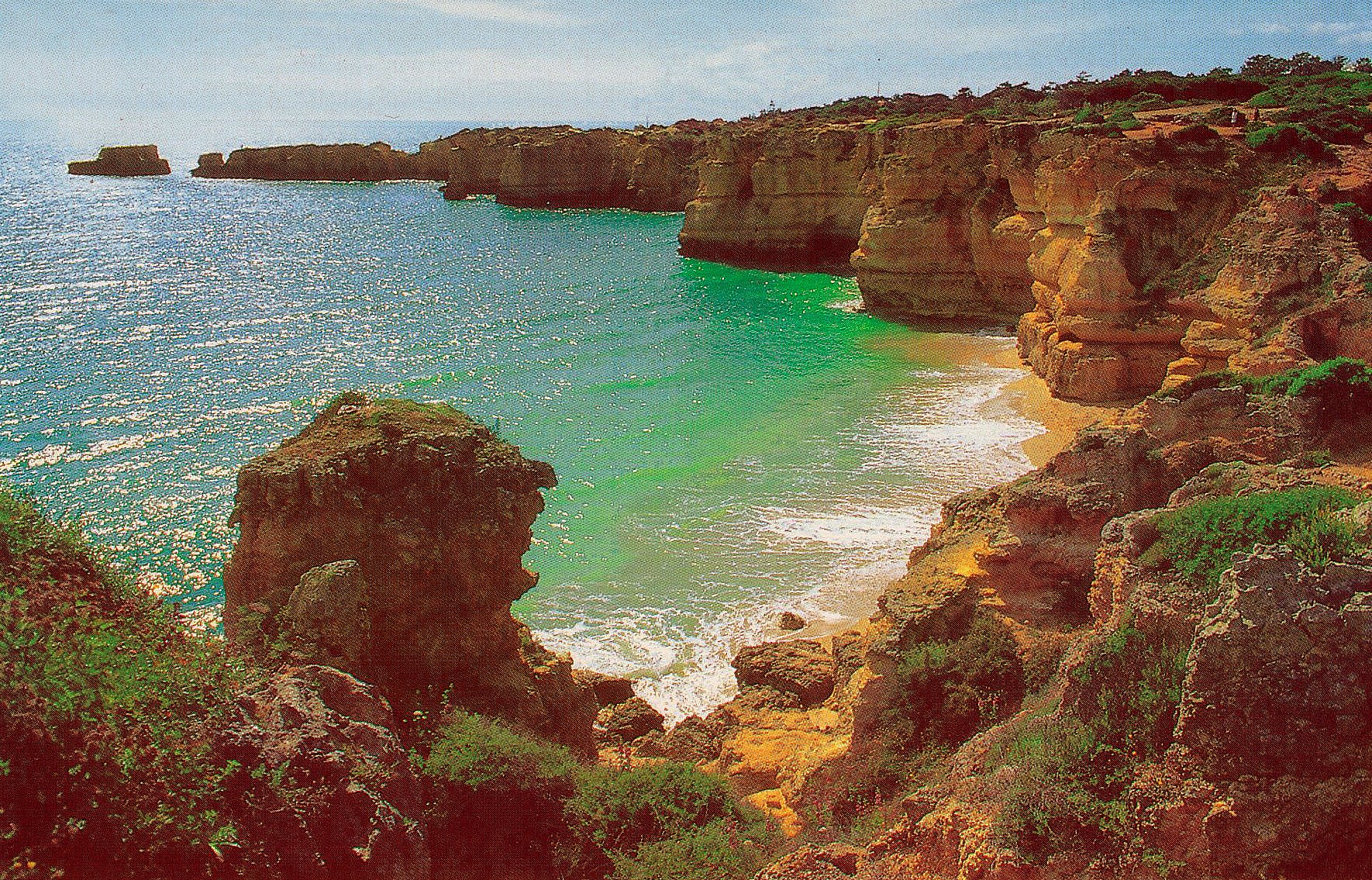
Hiking along the Atlantic in Portugal
Is there a place you’d like to inhabit for a time? What keeps you from doing so?
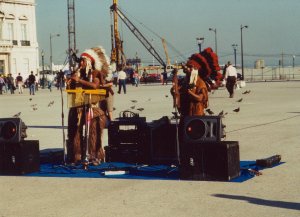
Peruvian musicians dressed as North American Plains Indians in Lisbon
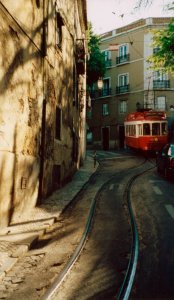
Winding through old city Lisbon
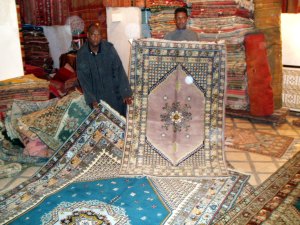
An experience permeated by the scent & taste of mint tea
04 May 2015
by janinedonoho
in A Change of View
Tags: belief system, Birchers, Birthers, Cesar Millan.Deniers, earth, Earth Day, Janine Donoho, mulch, recipe, red clay, rehabilitation effort, scientific basis, seed balls, Seeds, struggling planet, whisperer, whispers
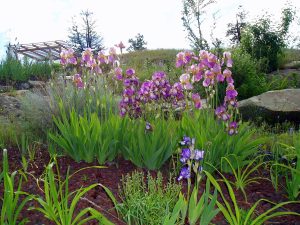
My spring garden
A proposal: let’s make every day Earth Day. Yes, my hair’s still on fire over climate change, yet I’m learning to walk the walk of a calm-assertive. Thank you, Cesar Millan. This approach comes from dealing with those fearful aggressives known as Deniers, Birthers, and Birchers (DBBs). Just call me an earth whisperer.
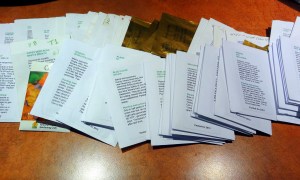
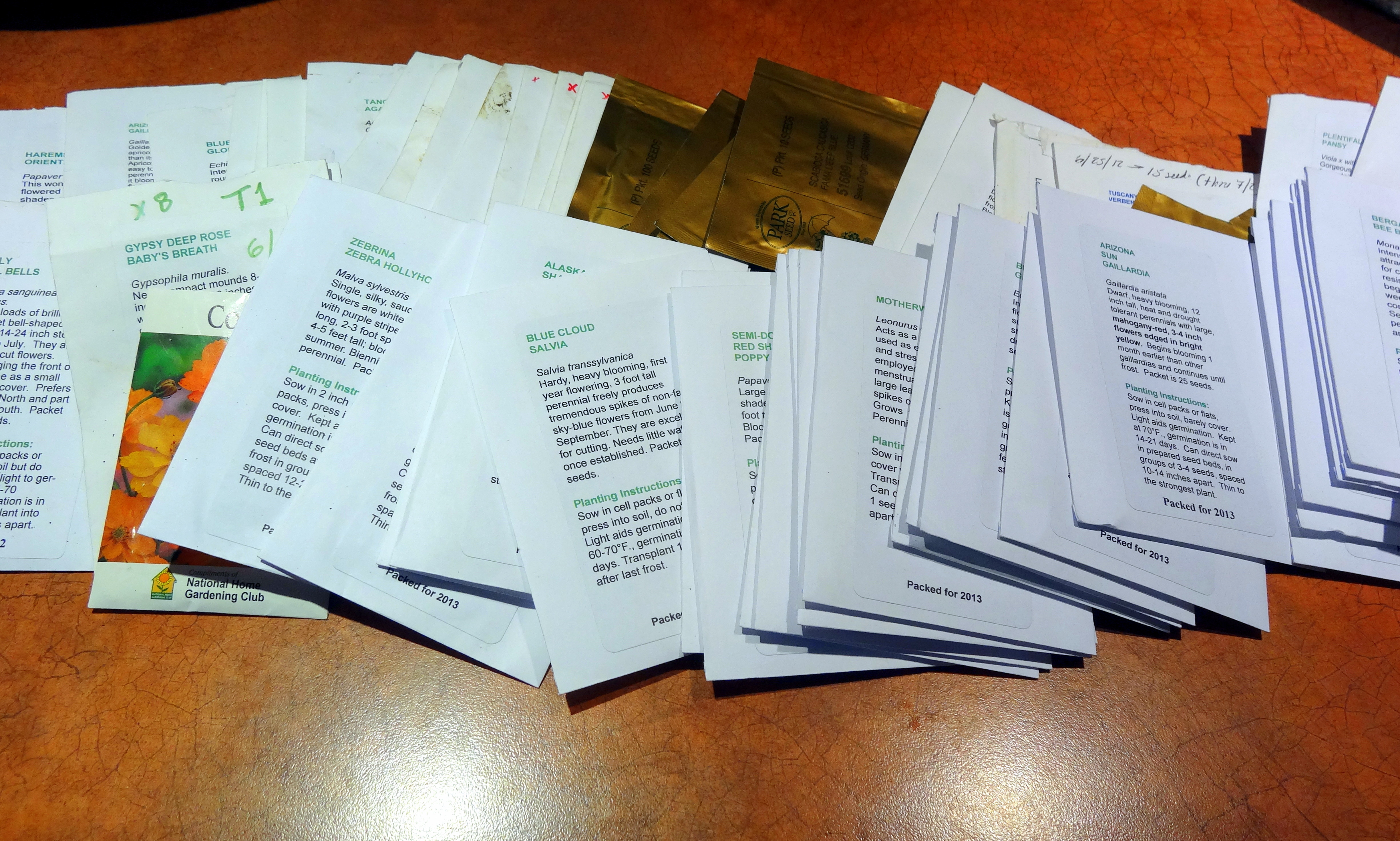
Recycling old seeds into balls
Those of us who recognize there’s no valid connection between actual scientific basis and personal belief systems need to set rules, boundaries and limitations. Consider it a rehabilitation effort on behalf of our struggling planet.

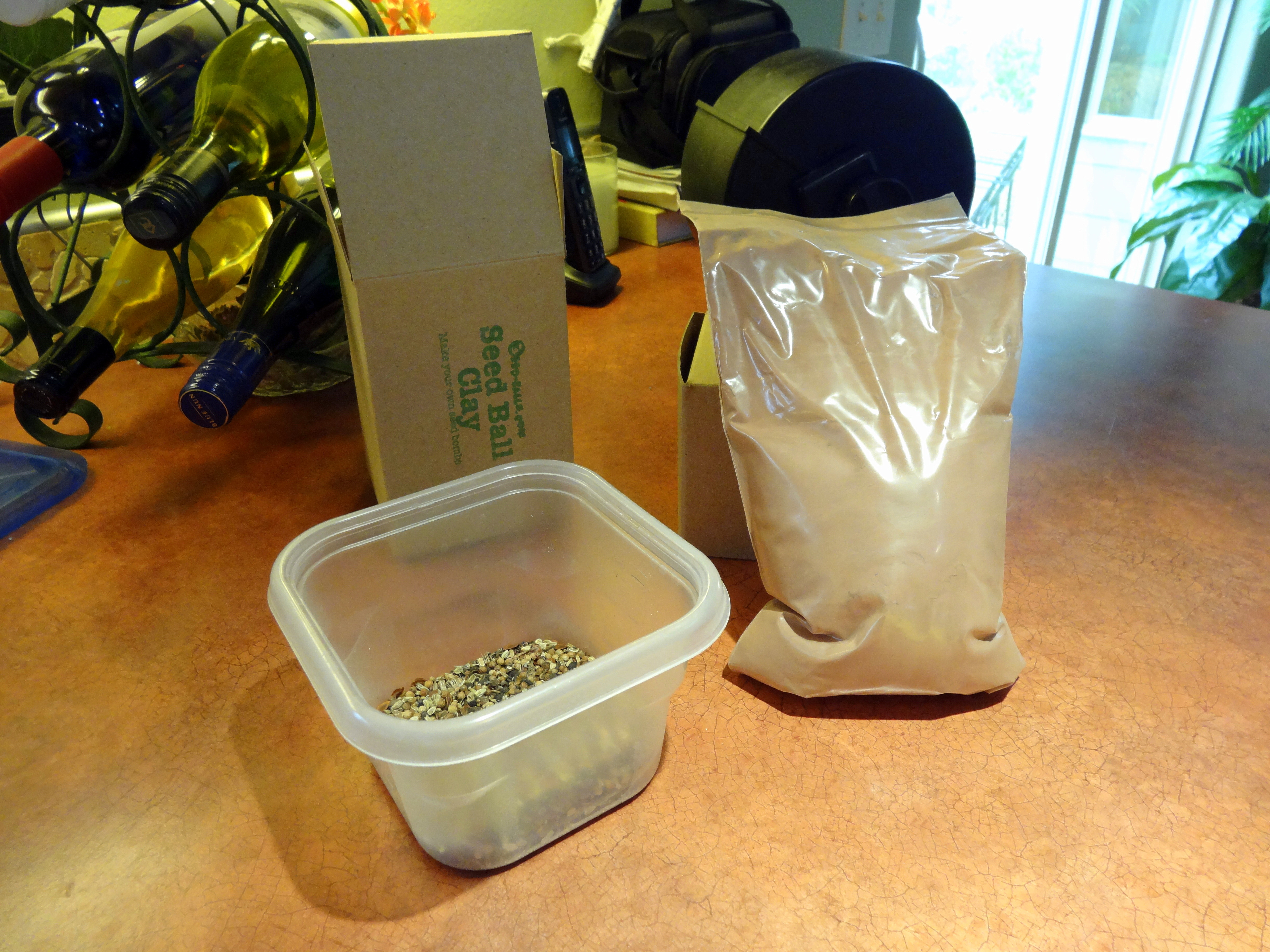
Clay & seeds
That means no more caving to fabricated ‘beliefs’ that harm our planet. Calmly and assertively explain that tactics used by corporate shills are the same dishonest strategies used by tobacco companies to ‘prove’ that smoking is good for you. And their response to pesky lung cancer? No causal relationship to their product. How has that turned out? With our entire support system aka Planet Earth at risk, where else do you plan to live?
Now invite your DBBs to make seed balls. Our high desert requires that we conserve moisture. Seed balls do just that. Besides, who wouldn’t find unity in this fun activity? Here’s the recipe I use:
- 2 parts mulch (certified organic mushroom mulch is my fave)
- 5 parts powdered red clay
- 1-2 parts water
- 1-2 parts seeds*
- Mixing tub
- Cardboard box to dry and store seed balls
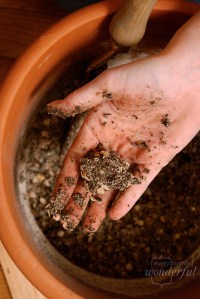
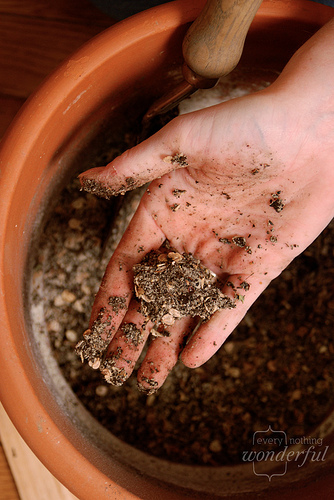
Seed ball mixture
Directions:
- Combine mulch, clay, and 1 part water thoroughly. Go for a lump free version and slowly add more water until your mixture’s the consistency of toy store molding clay.
- Add your seeds* and more water as necessary, then knead the mixture until well mixed.
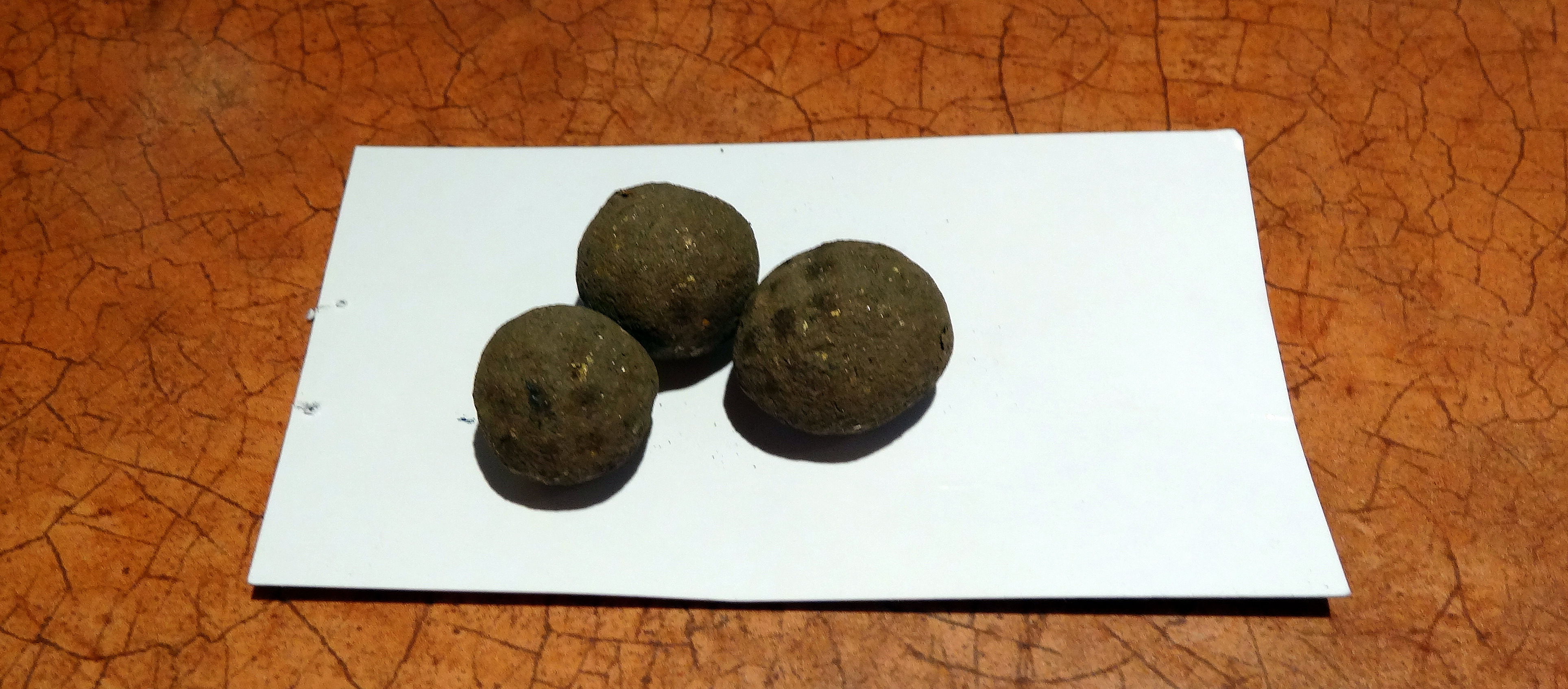
- Pinch off bits of the mixture and roll into balls about an inch in diameter. The texture should hold together easily, so add more water if it’s too crumbly.
- Dry your seed balls for 24-48 hours in a shaded place. Too much heat causes cracks.
- Once they’re dry, sow or store in cardboard containers, since plastic bags can lead to unintended germination.
- When you sow your seed balls, opt for the gentle toss method versus careful placement. Tossing’s way more fun and for me, precision hasn’t led to better results. Please don’t bury or water them, though.
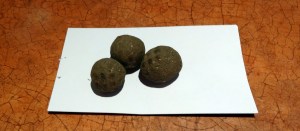
A few seed dried seed balls
That’s it. Our first Earth Day project. Consider this 1 part invitation and 2 parts love note to our earth. I’ll share more delights in the future and hope you’ll do the same.
*Some recommend using one species of seed in each ball. I’m not a purist and like the surprises that come from mixing whatever drought- and deer-resistant flower seeds I have. Mine are all rated for zones 1-3, but make sure yours suit your local environs.
How are you finding ways to contribute to the health of our earth? What are you doing to minimize your impact?
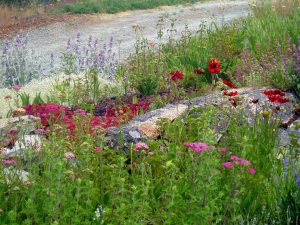
When joy happens
Color & texture
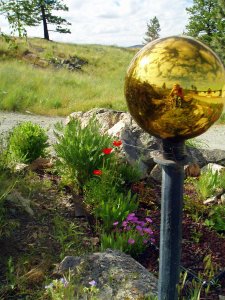
Reflections of beauty
27 Apr 2015
by janinedonoho
in A Change of View
Tags: Aegisthus, Agamemnon, Anatolian, burial site, Clytemnestra, doors, gateway, Greece, Hilaire Belloc, history, horizon, imagination, incest, invectives, Janine Donoho, language, murder, northern Africa, Orestes, Peloponnesian, Pemukkale, rape, spirit, travel, treachery, Trojan Wars, Turkey, windows
We wander for distraction, but we travel for fulfillment. – Hilaire Belloc
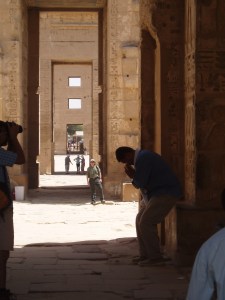
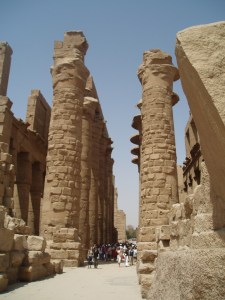
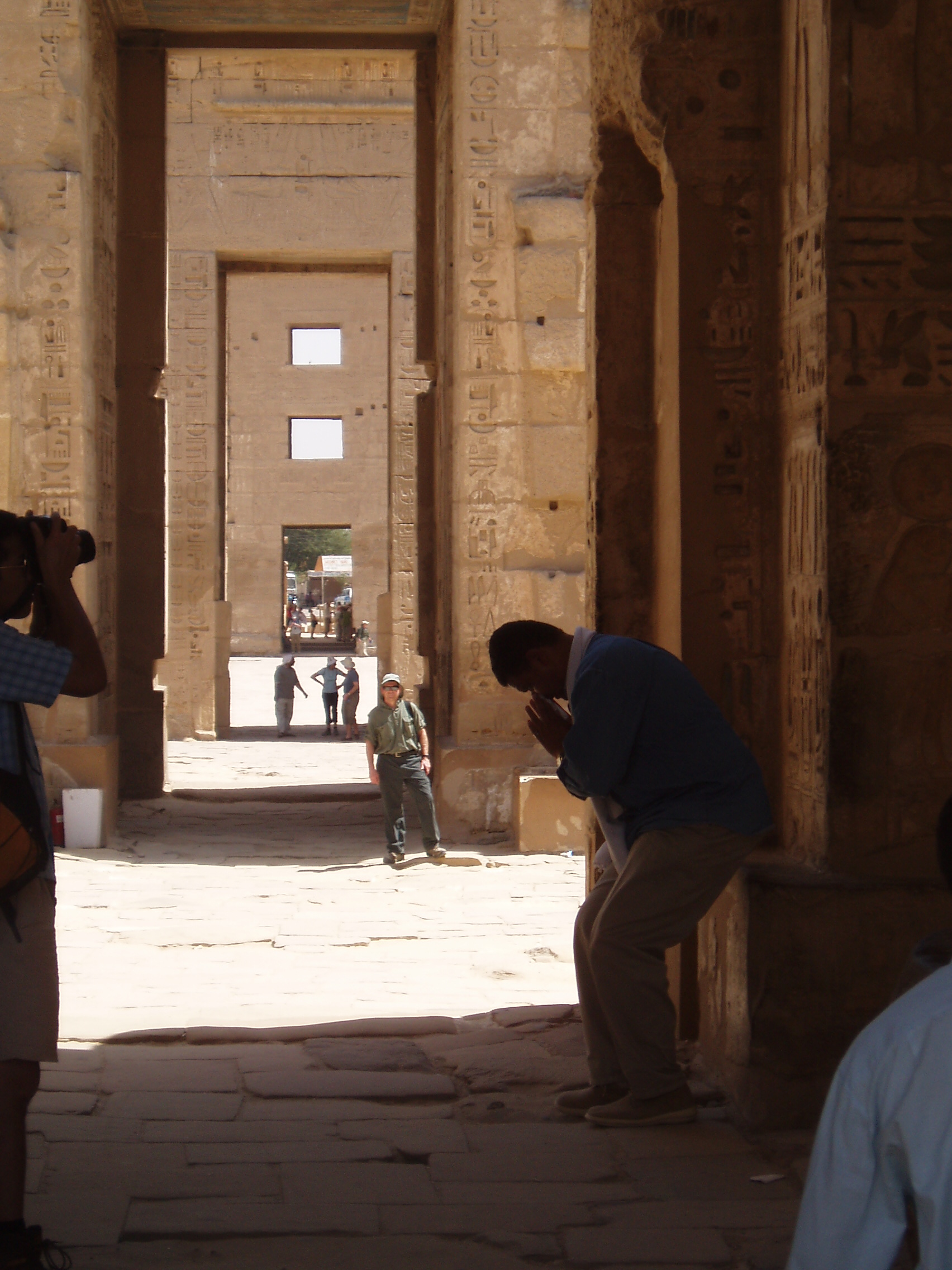
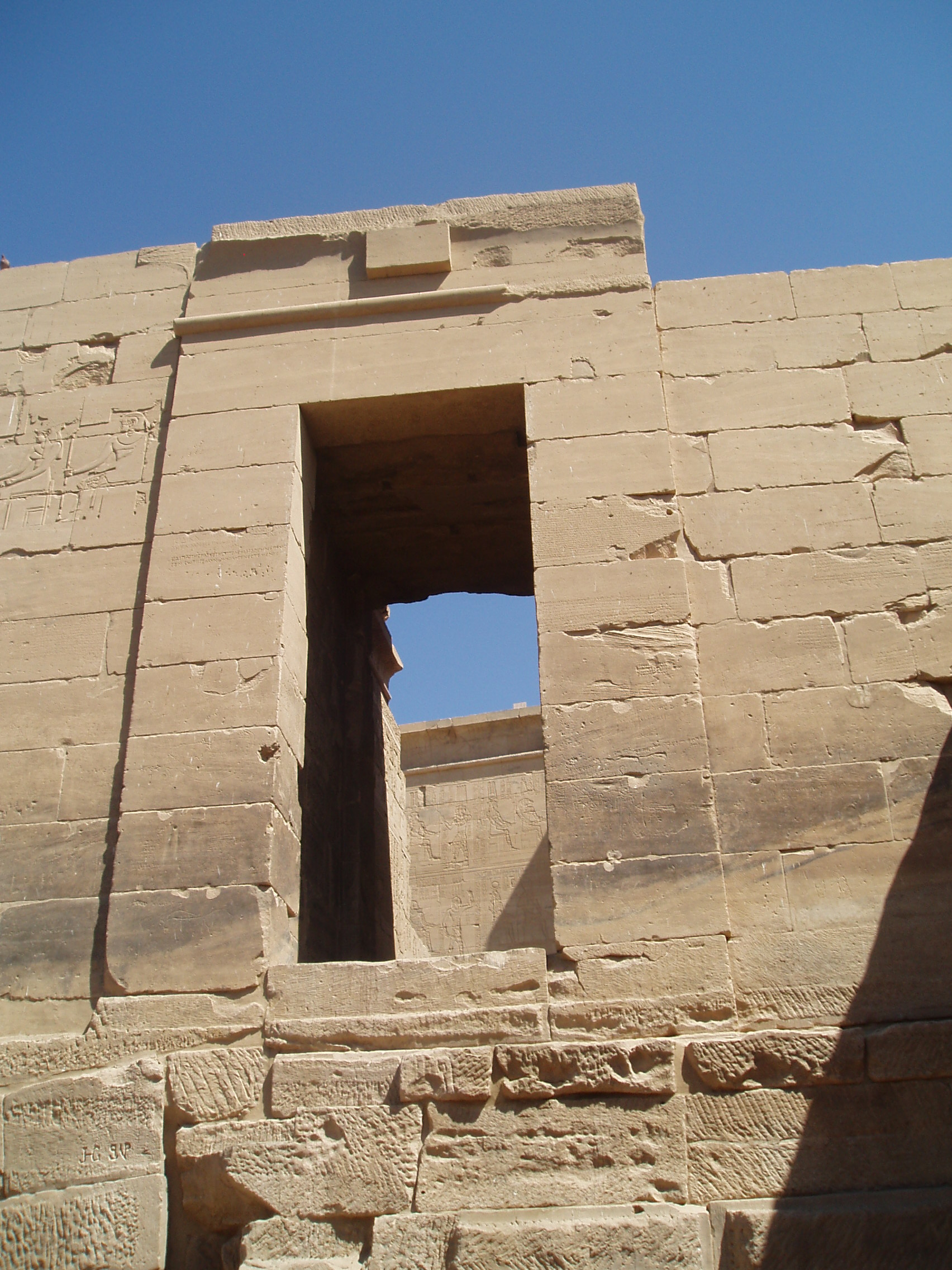
Egyptian passageway
Doorways, windows, and gates always feel like a call to adventure. This proves especially true while taking in the view in Peloponnesian Greece while pivoting

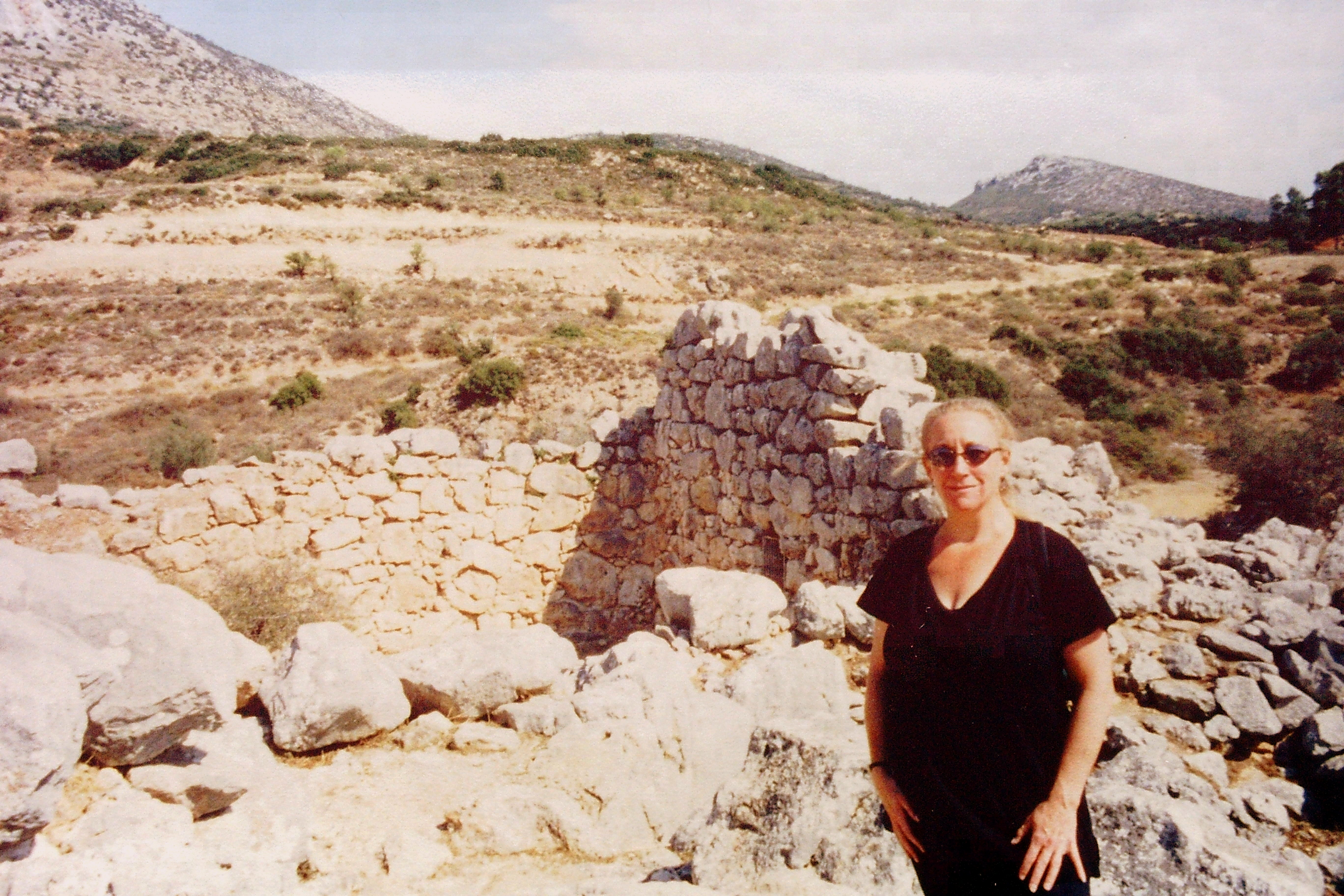
Bronze age bath
around in Agamemnon’s ruined bath chamber. Experience delicious shivers when you remember that this is the scene of ancient crime. Upon Agamemnon’s return from the Trojan Wars, his wife Clytemnestra killed him to be with her lover Aegisthus. Then Orestes, her and Agamemnon’s son, murdered his mother in revenge before going mad with guilt.
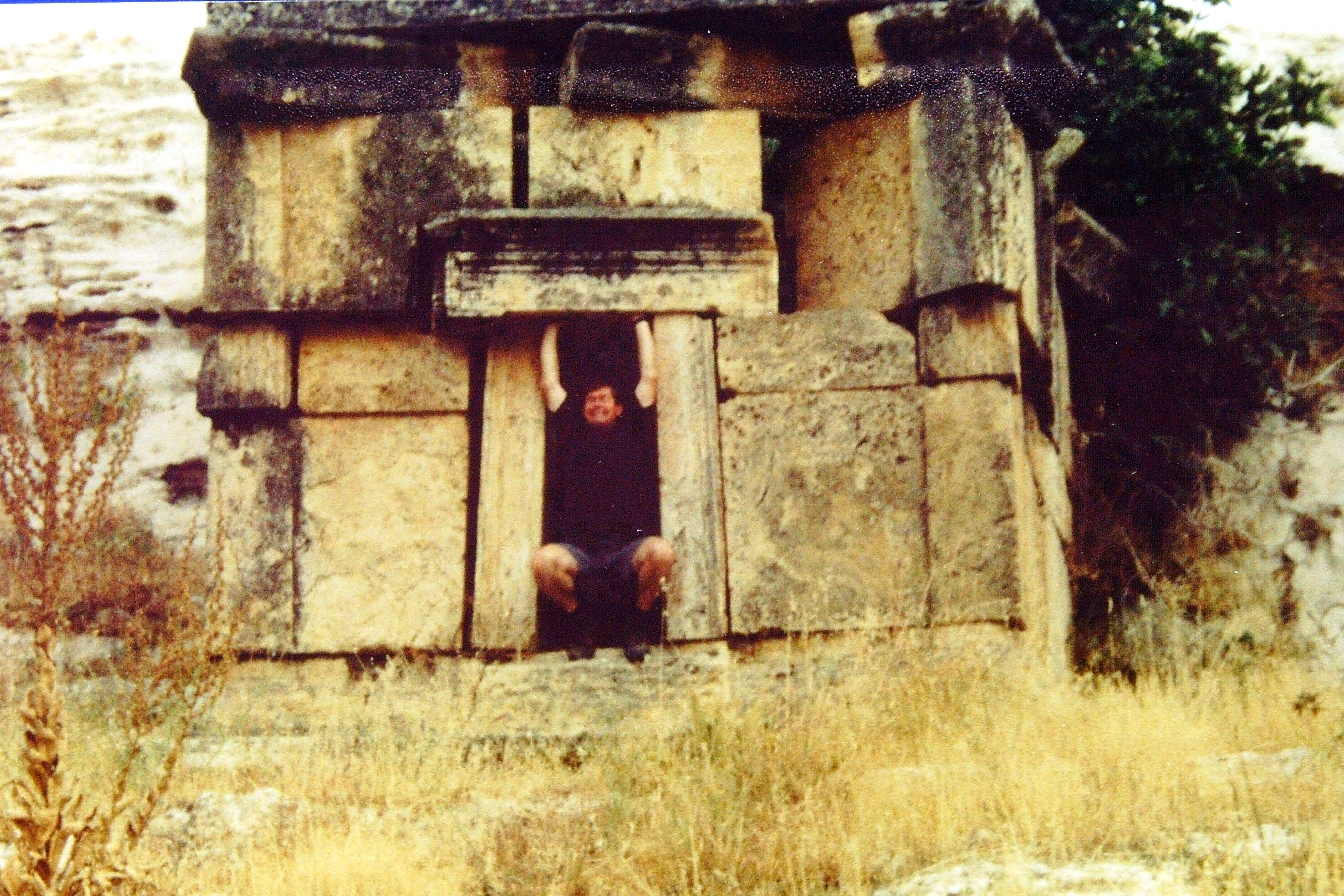
History’s rampant with rape, murder, incest, and treachery—the substance of legend, myth, and story. Discoveries arise when you take a much needed break on
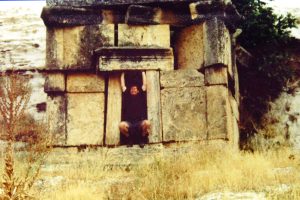
Anatolian burial site
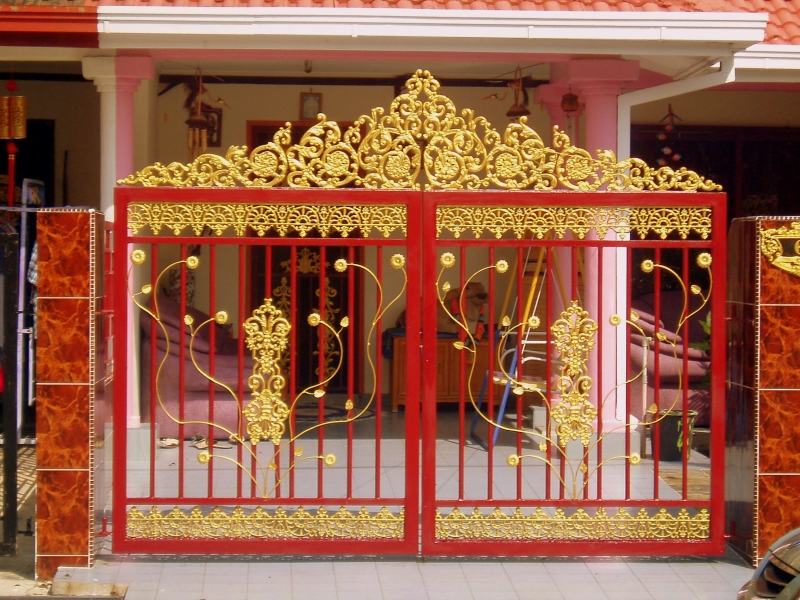
an Anatolian burial platform outside Pemukkale, Turkey. Or as you stand outside one of Malaysia’s ornate gates, where invented stories feed into your creativity about who lives behind them.
In Northern Africa I learned the phrase, “Your mother would be ashamed,” after inescapable brushes with roving gangs of

Valley of the Kings
menacing boys. For those interested, it’s سيسبب عملك هذا الخزي لأمك! Sadly the pronunciation has moved beyond recall. My rendition usually garnered laughter while temporarily redirecting hooligans from tormenting innocent animals. Useful, huh?
Travel feeds spirit, imagination, and stretches your world view. You bump up against cultures and languages that expand your horizon exponentially. You gain language skills, especially polite ones, although I confess to a joy in adding foreign invectives to my vocabulary, too.

Portal to ancient Egypt
Welcome to another view of travels with moi. Enjoy and allow me to wish you joy in your journeys, too.
How have language skills expanded your travel? What do you wish you knew then that you know now?

Beautiful door & man
Doorways

Cattail gate

More beautiful doors – Morocco

Red gate Kuala Lumpur

Egyptian passageways
20 Apr 2015
by janinedonoho
in A Change of View
Tags: agora, Amalfi Coast, Anais Nin, Athens, automobiles, backpacks, BFF, Blue Mosque, Cappedocia, Capri, Change of State, Ephesus, Greece, Greek ferry, hardiness, humor, Intrepid Guy, Italy, Janine Donoho, mishaps, Mycenae, Naples National Archaeological Museum, Napoli, Pamukkale, Perseia fountain, planes, Pompeii, resilence, Samos, Selçuk, soccer, trains, trolley tracks, Turkey
We travel, some of us forever, to seek other states, other lives, other souls. – Anais Nin
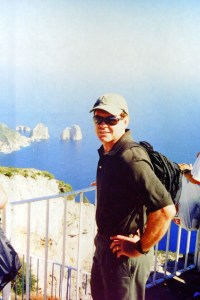
Intrepid Guy hiking the Amalfi Coast
 When I finally coaxed Intrepid Guy to take a full month to travel with me, we chose a more ambitious route than my BFF trip. Yes, still backpacks, but Italy, Greece, and Turkey via planes, trains, and automobiles.
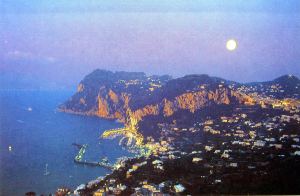
Capri
Consider the taxi in Napoli as our driver popped onto and off of active trolley tracks all the while exclaiming, “Is okay, is okay.” Yes, the Naples National Archaeological Museum was worth it. The same can be said when Greek ferry system imploded during a soccer match.
After that, it took us three attempts to cross from Athens to Samos, then on to Selçuk on the Turkish mainland. Along the way, we experienced the plush travel of Turkish buses,

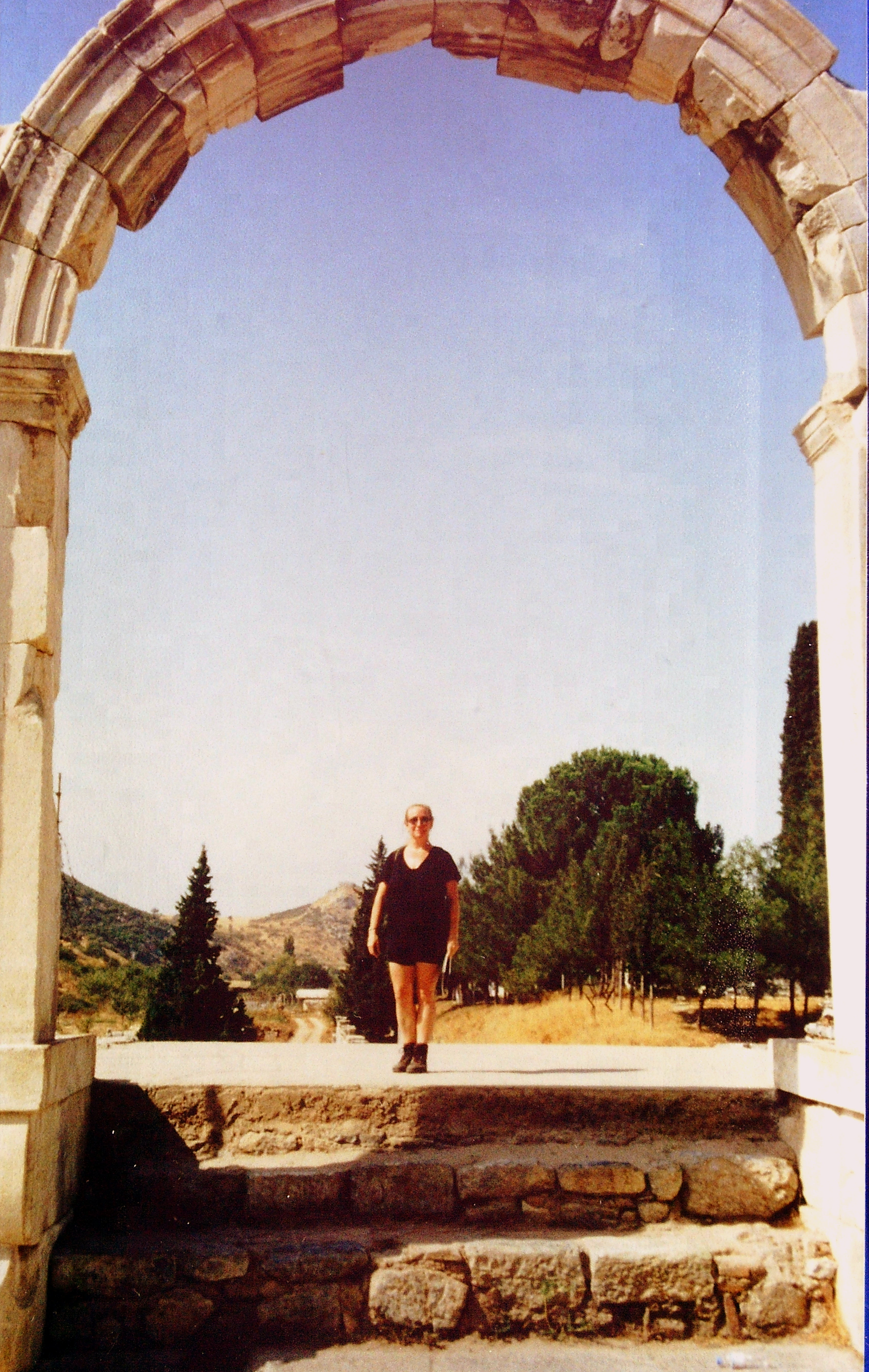
Gateway to Ephesus’ agora
complete with attendants and hot towels, and the disrepair of their 1960’s trains. Visualize a midnight lurch to the bathroom with gaping holes in the floor.
Between worker strikes for trains leaving Italy, taxis in Athens, and ferries running aground, we developed resilience and our senses of humor. As with most pursuits, at some point you consign yourself to whatever passes for a higher power and go with it. Let the joy begin.

Bus to Cappadocia
How have you developed hardiness during your travels? What mishaps turned into singular experiences?

Blue Mosque Dome

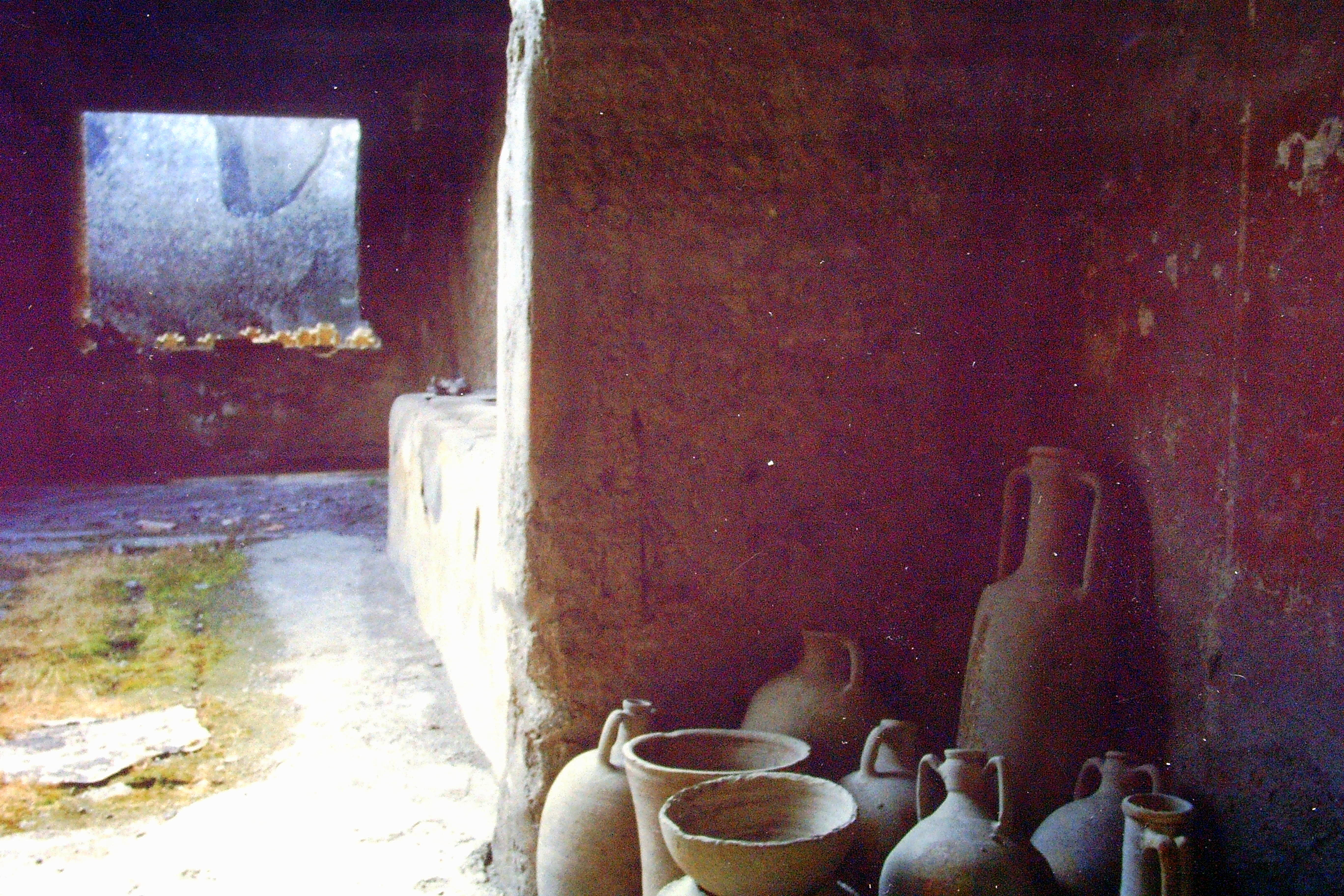
Ancient kitchen – Pompeii

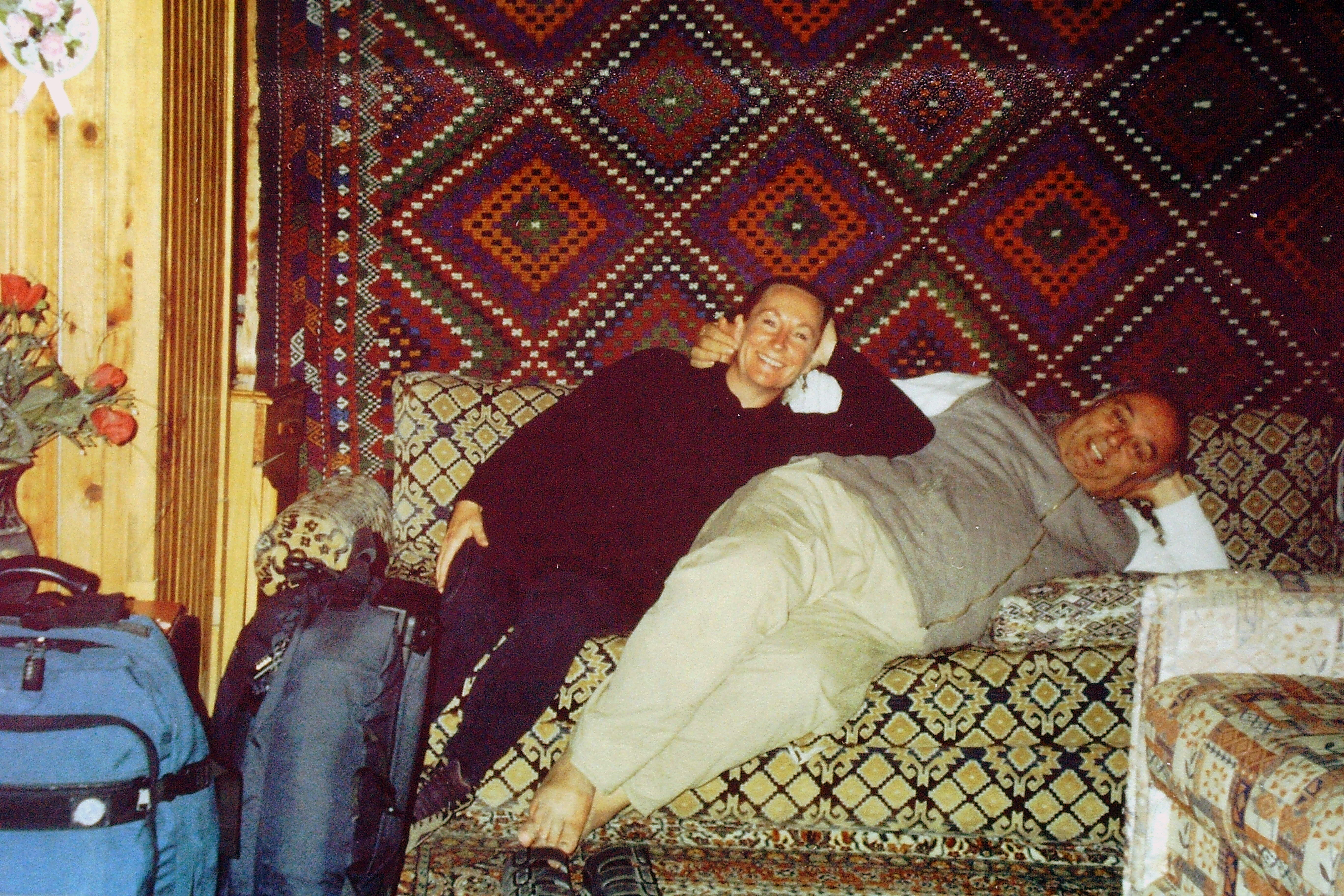
Mustafa and I – Pamukkale

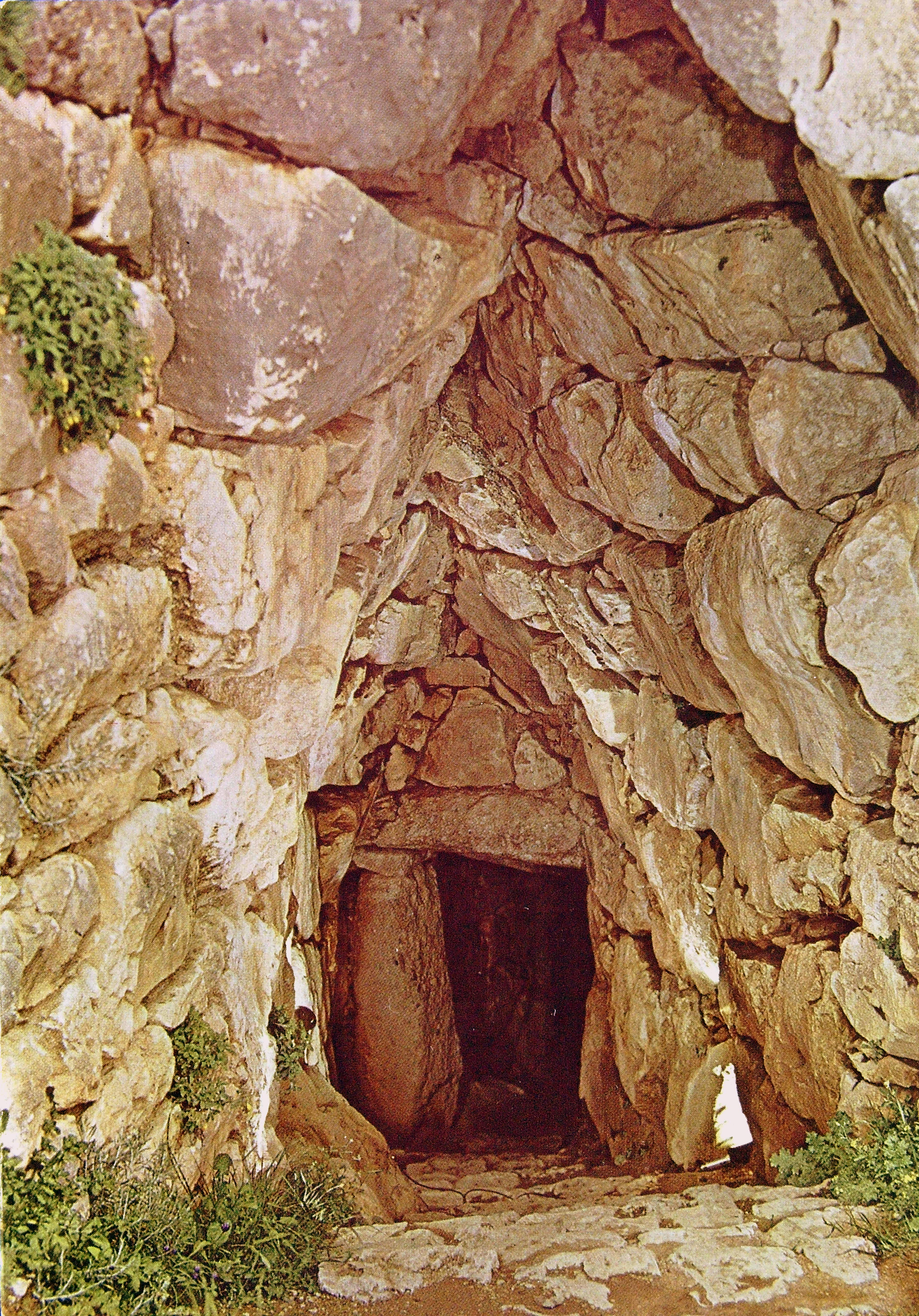
Passage to the Perseia fountain in Mycenae
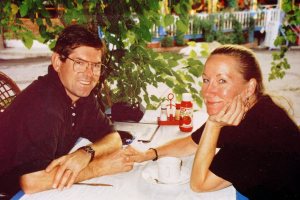
Happy travelers in Pamukkale
13 Apr 2015
by janinedonoho
in A Change of View
Tags: adapt, air, author, authorpreneur, balance, calm, doubt, earth, elemental mix, fire, fitness, fledged, food, fuel, gale force, garbage, Janine Donoho, joy, listen, meditate, new readers, our own terms, Process, productivity, publishing blitz, purpose, reflect, resilience, social media success, success, virtual people, water, writer, Zombie fighters
 In the wild blue stratosphere of authorpreneurs, I suppose I’ve fledged. Not ready for the high thermals or gale forces yet, but I gained a few skills. What I’m struggling with? Finding a dynamic balance between purpose, which is to write new stories, and the process of social media success. I’m told this connects me with new readers.
I’m definitely better at the former. Yet as anyone who’s been employed knows, process can crush your productivity—if you let it. Since this publishing blitz, I’ve virtually met virtual people that I’d love to talk with over an actual cuppa. That doesn’t get the story written, though, now does it?
In keeping with that, I’m relying on the essentials of zombie fighters everywhere:
 Go brilliant with resilience – learn to adapt quickly to new adventures;
Commit to fit – dodge the body blows with daily strength and endurance workouts;
Oust the doubt – dwell on the successes and treat yourself as you do your BFF;
Collude with food – eat what fuels you best and ditch the garbage;
Palm the calm – listen, reflect, meditate, and embrace the joy.
So as I teeter on the precipice with rudimentary flight muscles, I’m also embracing April as my shift from author back to writer. That means taming the blustery media whipping me to and fro. For in today’s world, we writers need to negotiate the elemental mix of air, earth, water, and fire that buffets our social media world. Let’s do so on our own terms.
How do you balance author with writer? Is participating in social media a heavier lift than writing? Or vice versa?
30 Mar 2015
by janinedonoho
in A Change of View
Tags: air sacs, arrowleaf balsamroot, Balsamorhiza sagitatta, bliss zone, conservation, cotyledons, dusky blue grouse, eco-diesel, eggs, fire season, fledglings, fragrance of spring, happy, hard frosts, incubation, Janine Donoho, kestrel, May, Mediterranean garden, Ponderosa pines, quality of light, raptors, sagebrush, seedlings, snowmelt, summer solstice, vernal equinox, Washington State, yellow jackets

Arrowleaf balsamroot (Balsamorhiza sagitatta)
In this remote conservation area of Washington State, vernal equinox triggers messy chasms brimming with snowmelt. Summer’s alkaline dust transforms into muck capable of entombing my 4-wheel drive eco-diesel up to its wheel wells. Days collect into weeks of treacherous roads.

Glimpses of spring in the melt
I wait to plant seeds until after mid-May, since hard frosts shrivel tender cotyledons. After years of starting seedlings indoors, I reverted to direct sowing into compost enriched soils. The hardening process for young plants is fickle, and planting seeds works just as well. To stave off my untimely itch? I turn to my daily writing habit and coax my Earth Elemental into bloom.
Still the promise of spring causes me to excavate lighter clothing and bury the thick layers of winter. I begin to wake earlier with a curious lift to my spirits. Fragrant springtime starts me along this path.
When wild grasses poke through the drying crust of alkaline silt in this high desert, I move into the bliss zone. Yes, these are the same grasses that require vigorous slashing to maintain defensible space around our home as fire season roars into being. Yet at this stage, the verdant color and lush bouquet—well, it makes me ridiculously happy. I breathe more deeply.
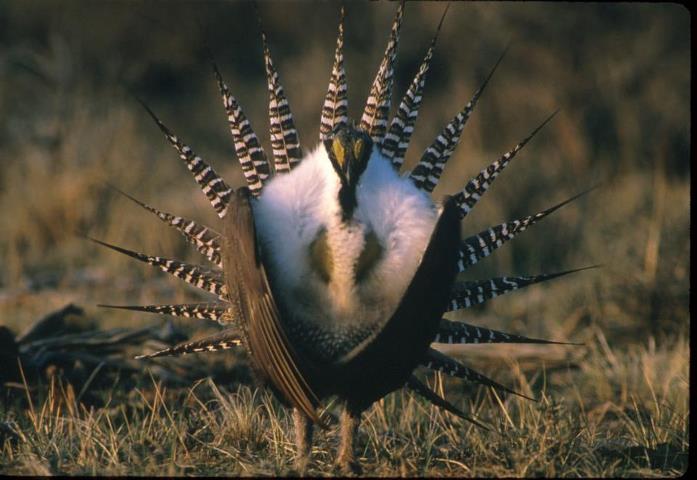
 Spring is also when the dusky blue grouse male begins to court his harem, drumming ‘oot, oot, oot’ from his air sacs while he struts his stuff. Not long afterward, his hens lay buff colored eggs beneath Ponderosa pines and sagebrush. Incubation takes almost a month before hatching in late May.
This is the sweet time, when my drip system is optional and yellow jackets aren’t dive-bombing me in the gardens. Native arrowleaf balsamroot (Balsamorhiza sagitatta) splashes the steppes with festive yellows as raptors freewheel along  thermals. My particular favorite, the kestrel, sets up housekeeping in our nesting box. By late summer, the fledglings scream their fear and excitement as they take their first flight from one branch to another, then one pine to the next before departing to establish their own territories.
But today, it’s a scent and the promise of lush Mediterranean gardens while the quality of light fills me with hopefulness. Daylight hours have stretched from winter solstice’s threadbare eight to nearly twelve. By summer solstice we’ll enjoy sixteen hours of light. For now, I wander forests and sagebrush steppes, cherishing eggs tucked into grouse nests.
Previous Older Entries Next Newer Entries

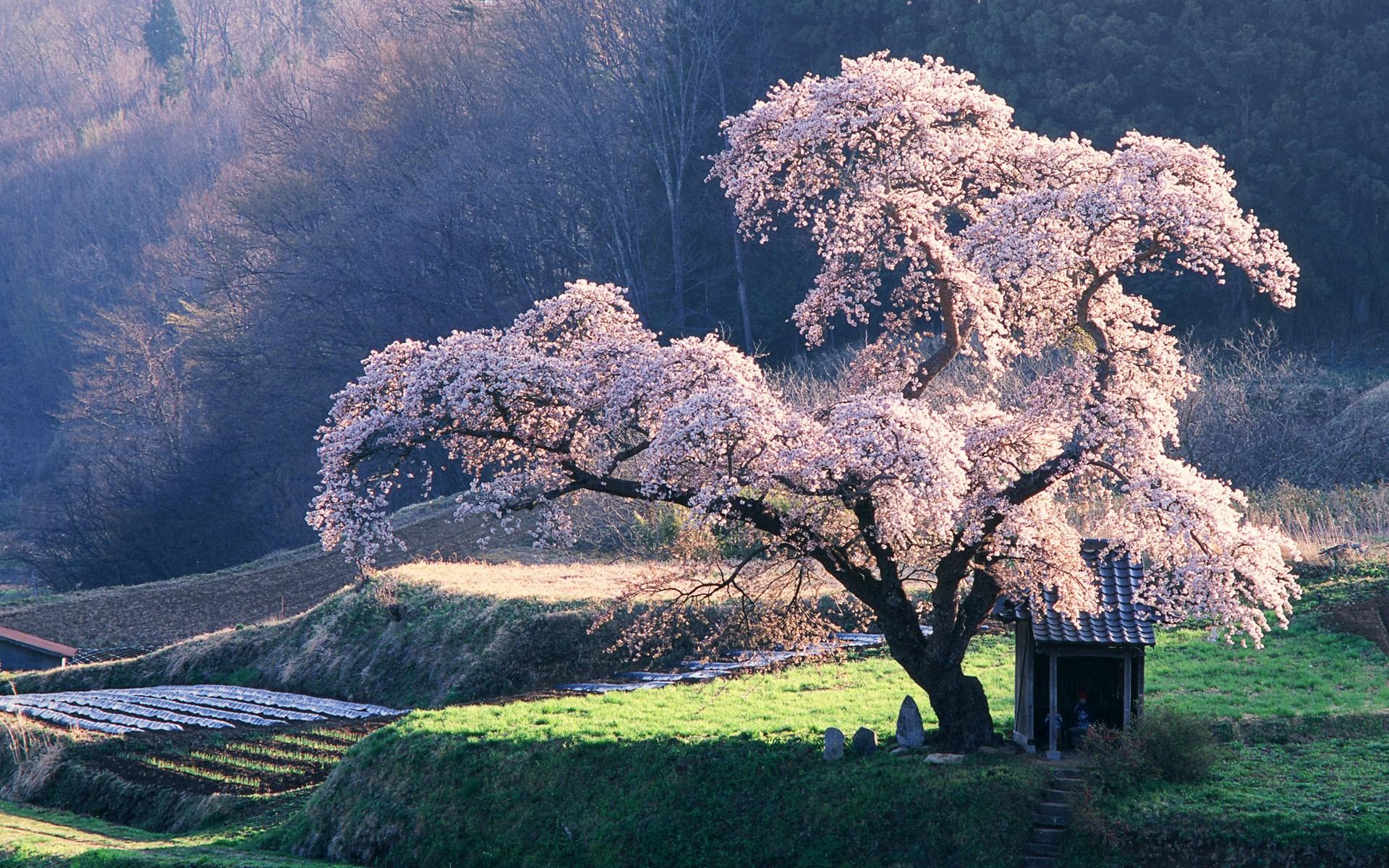
 Throughout March’s billowy gusts and slushy melts, I learned one hundred Japanese words and phrases promised to express 1,000 ideas. Two hour hikes with Nina Sophia filled with practice sessions until she recognized “O-tearai wa loko desu ka?” as an important question, although probably not as “Where’s the bathroom?” By the Ides of March, I knew the names of the snow monkeys inhabiting Jigokudani Park. My 21-inch ultralight suitcase was packed and ready to go for a month of Sakura no Kisetsu—cherry blossom season—in Japan. Except that’s not what happened.
 As my sweet guy tackles this autoimmune nightmare with a medieval regime of drugs that fail to address the issue while killing what was once an entirely beneficial immune system, I’ve put my head down to get through it—again. Frankly, this “leaning in” attitude has gone on a decade too long. Instead of cherry blossoms, we’ve changed course. Yes, I serve as Intrepid Guy’s support system, and he keeps his eyes on the prize of reclaimed health. Even so, I’m discovering petite aventures that keep me close enough for the daily toil, yet allow me to plump up my dehydrated spirits. A
































 Janine Donoho