Oh, the rarefied air we artists breathe. Cogs in the greater wheel or isolated hermits toiling in a cave? We’re trying to figure that out even when everyone’s a “creative” and art has transformed once again into a craft populated by artisans.
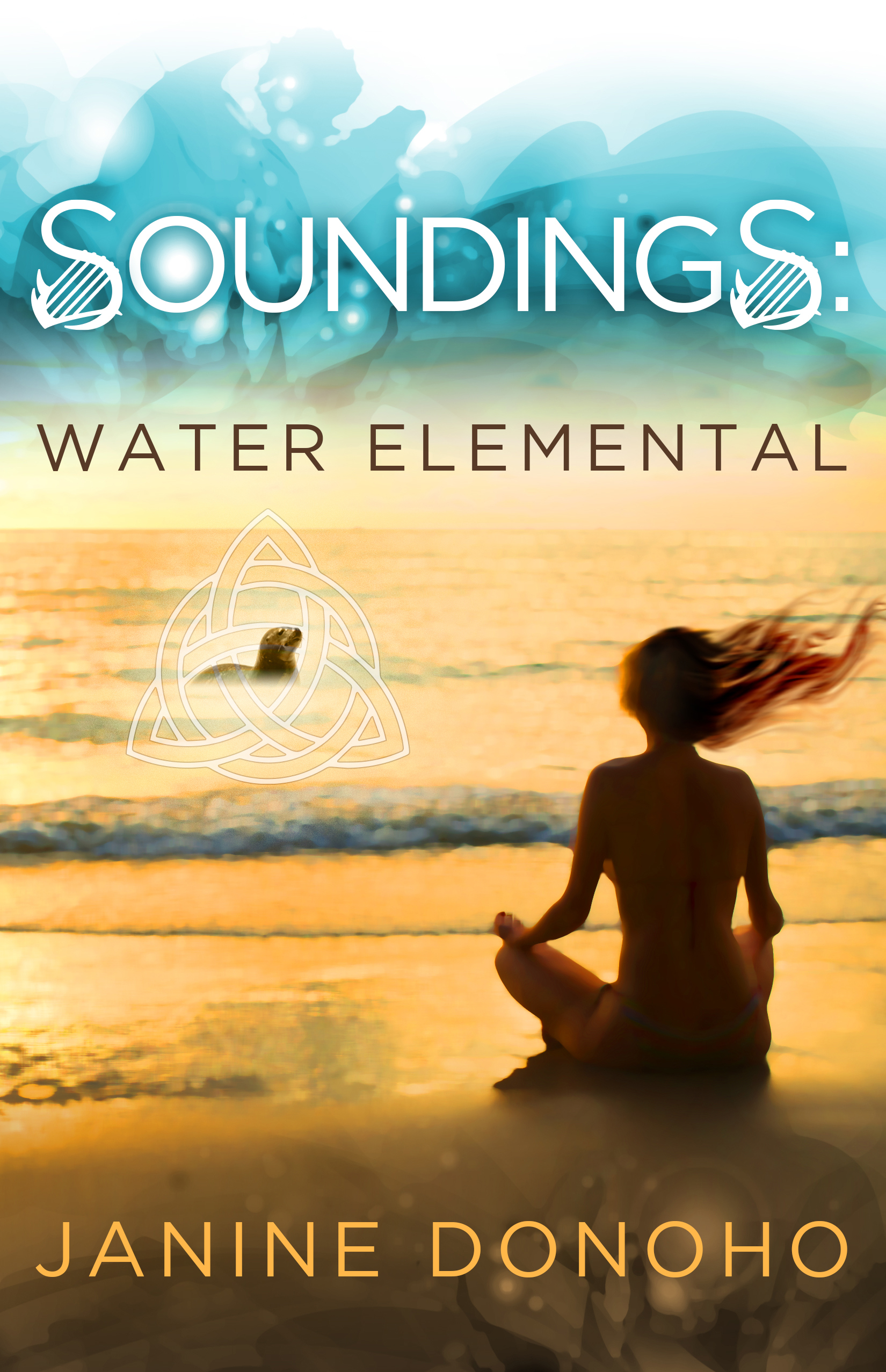
With the upcoming launch of my latest novel Soundings, Water Elemental, the necessities of social media have inundated me. I’m ensnared by the current model for artists who’ve morphed into creators whose daily work and lifestyle require processing for consumption. Remember the pink slime of hamburger fame?
C’est moi. Yet since I feel privileged to have such an excellent team at Booktrope, this definitely counts as a whine. Thank goodness for book manager and publicist exemplar Vanya’s practical voice calming my wildly oscillating sine wave before it flips to completely erratic.
After reading a provocative article in The Atlantic, I realize what overwhelms me—and possibly you, dear reader—is the latest obligation to be a creative entrepreneur versus an artiste. And Gladwell’s 10,000 hours toward proficiency? Evidently networking, high concept, and branding trump that in today’s world. Yes, the cult of personality triumphs.
Yet do we allow despair to suck us into its vortex? Absolutely not—resistance may not prove futile. Still the idea that creatives exist solely as corporate brands? That’s cynicism at its dankest depths.
I know a few of the writerly 1% who’ve become brands, whose stories translate into tours of economically challenged towns featured fictitiously in nudge, nudge, wink, wink their “breakout novels.” I salute them and their successes. If one of my stories rescues a town or my preference, an endangered species, I’d go for it.
You see, those 1% writers I unabashedly love did their 10,000 hours, absorbed craft, and now? Well, they’re professionals who support families, small towns, and the new corporate paradigm of “producerism.” The destructive force of a fully operational death star—er—marketplace has been brought to bear.
As our culture tracks Jane Austin’s “aha” moments, then equates them to “yo quiero taco bell”, I wonder which of my favorite writers would fail to publish today. Which undiscovered voices will be lost in the rush toward “producerism?”
Now I’m dragging my sorry artist’s butt to the kitchen for breakfast, then out to clean both cat box and pup yard. Today’s odyssey? The cupboard’s bare and I actually do live in a remote, yet plush “cave.” On, on.
After I penned Rise of the robot writers?, Intrepid Guy conveyed the Love Hound and me to a Posh Canadian Resort for my birthday: Lindt truffles, whirlpool workout space, and plush quiet. Visualize doggie treat bags on the door knob—twice. This was most likely due to the Hound, Goodwill Ambassador personified. We even enjoyed a celebratory dinner while a pup sitter, Ms. Doubtfire without the gender confusion, rubbed the Hound’s belly.
Shortly after this holiday, we stayed at Hyperbola 7 for a work related event. This stopover offered none of the opulence at a third of the rate. Please don’t take this as an indictment of our lodgings—they match our resources. Still the contrast made me wonder: what distinguishes a great novel from, well, schlock? As a keen reader, I know the differences fall beyond production costs.
Come with me while I revisit a once favored writers’ conference outside of Vancouver, British Columbia. One particular year ended my attachment to this particular gathering. As with many such offerings, the information and networking opportunities shrank disproportionate to my outlay.
That year I attended a seminar offered by a prolific writer who claimed he never, ever edited. Ever. His addendum seemed to be that writers who did were chumps, and he had the money to prove it—kaching, kaching. Since I’d never read any of his novels, I remedied that once I returned home.
My library system supplied a work for hire piece based on a television series. It quickly became obvious that he never edited. Ever. I suspect he’s one of the hirelings that a robot soon will supplant.
Yet deny a wordsmith the chance to make a living? Not me. Plus I enjoy the works for hire of other writers. The difference? Could it be respect for process?
Many write well, even lyrically. They surprise me with reversals and apply craft to the finished product. Despite integrating segments into an ongoing storyline, grace and heart suffuse their works. I deduce that they even—gasp!—edit.
These principled writers take me elsewhere and deliver on story. Begging the question: what separates hack from storyteller? Perhaps more importantly, who among us will be replaced by robots? Let’s start a conversation.
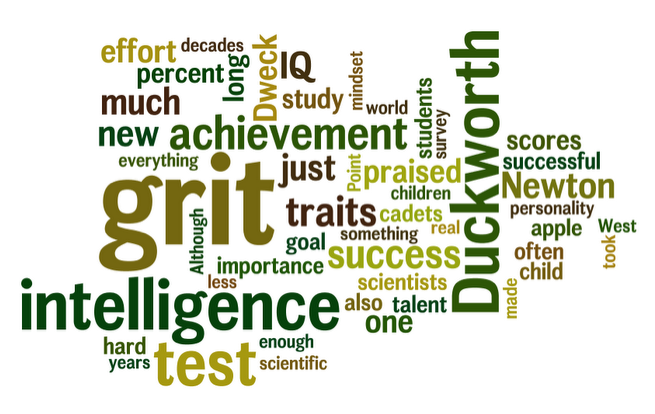
Grit—those pebbles that irritate tender folds of skin during extreme hikes. Wildly enough, grit’s also the resolve to persevere through setbacks. In other words, LIFE, or as I call it, “Putting on the big girl panties.”
I’ve a confession to make. After a spin cycle of agitated road trips, firefly visits with friends, and the blue funk that rolls in after launching Intrepid Guy on another cross-global deployment, I’m less than excited about spelunking into my writing today. There’s the primal thrill over my coming launch of Soundings, Water Elemental, but I’m still a bit—well—flat.
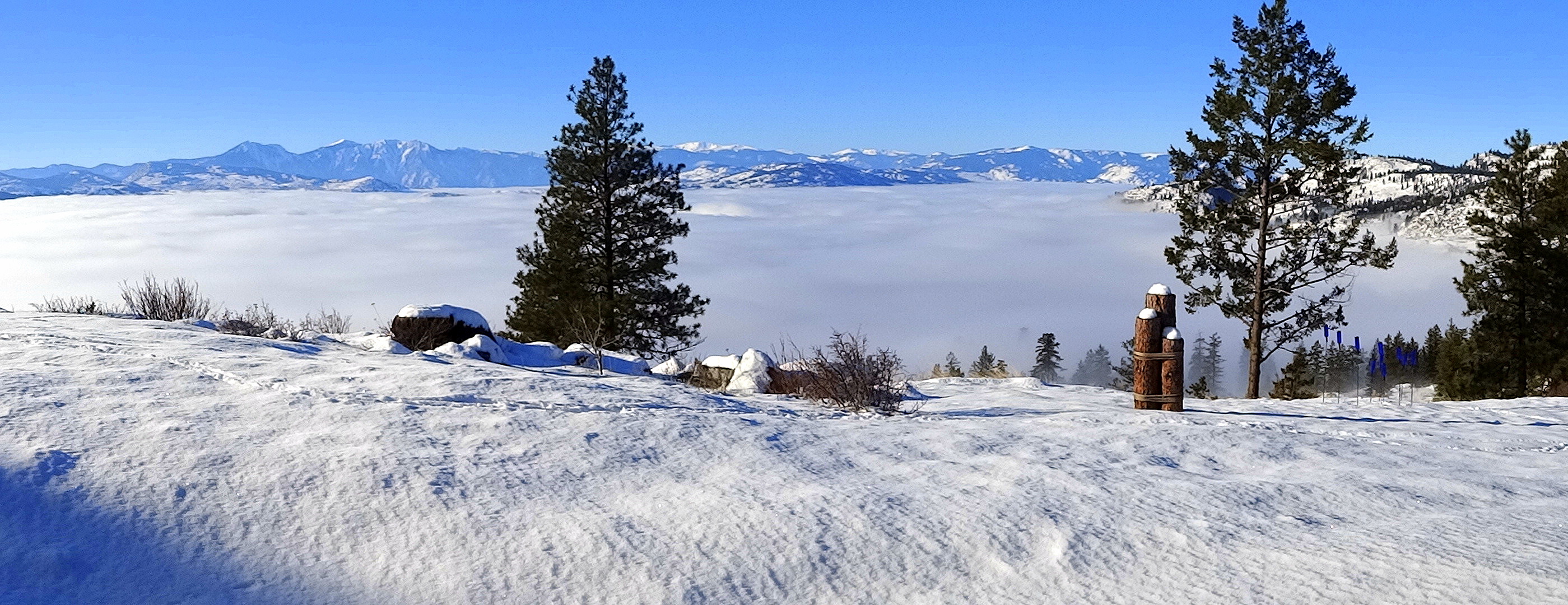
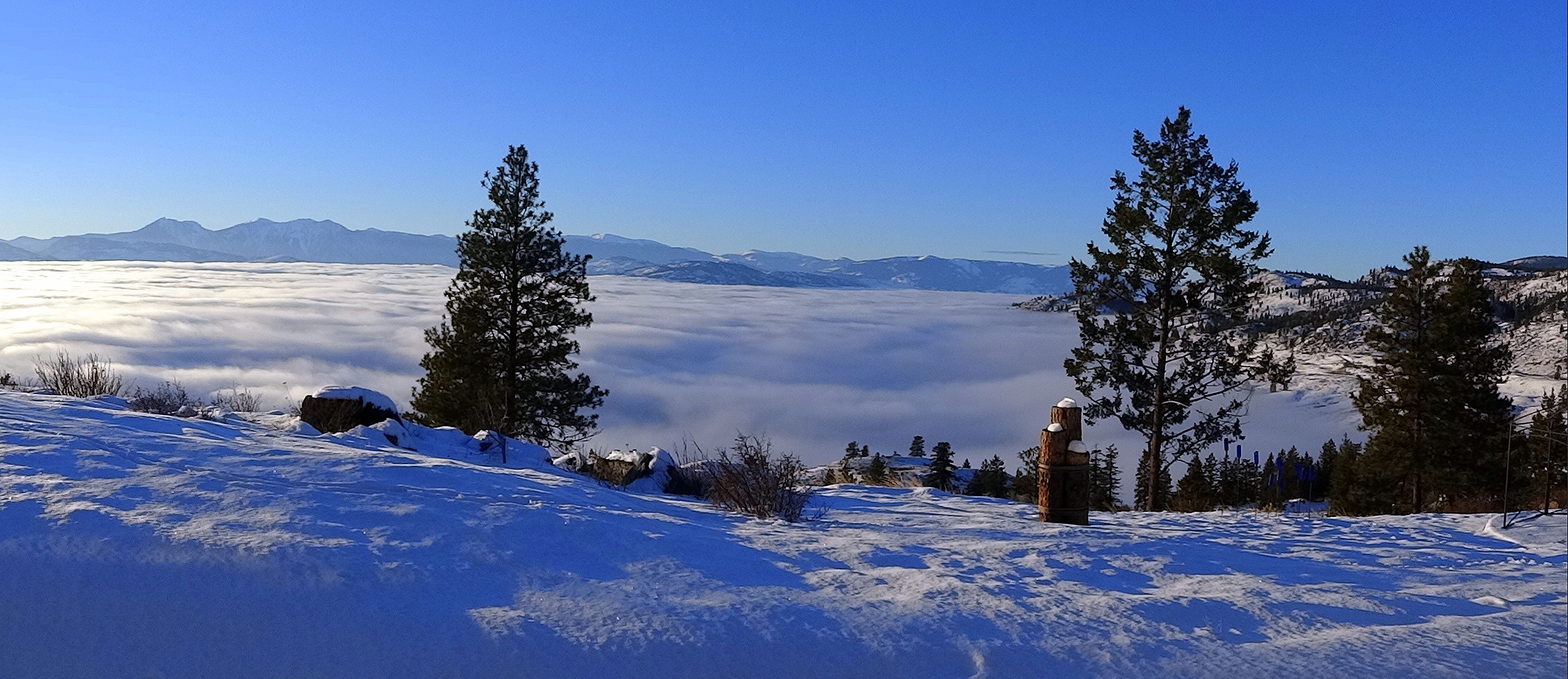
Sparkling wine days are over for the time being. Ceaseless snow amasses across the highlands. Intrepid Guy sits in a lovely pink hotel room in Penticton until the airport connecting him to Vancouver, British Columbia, clears for flights, and I need to shovel the entryways and figure out why our faithful soapstone stove refuses to burn—yes, low oxygen, but why? Later, after I do my daily work…
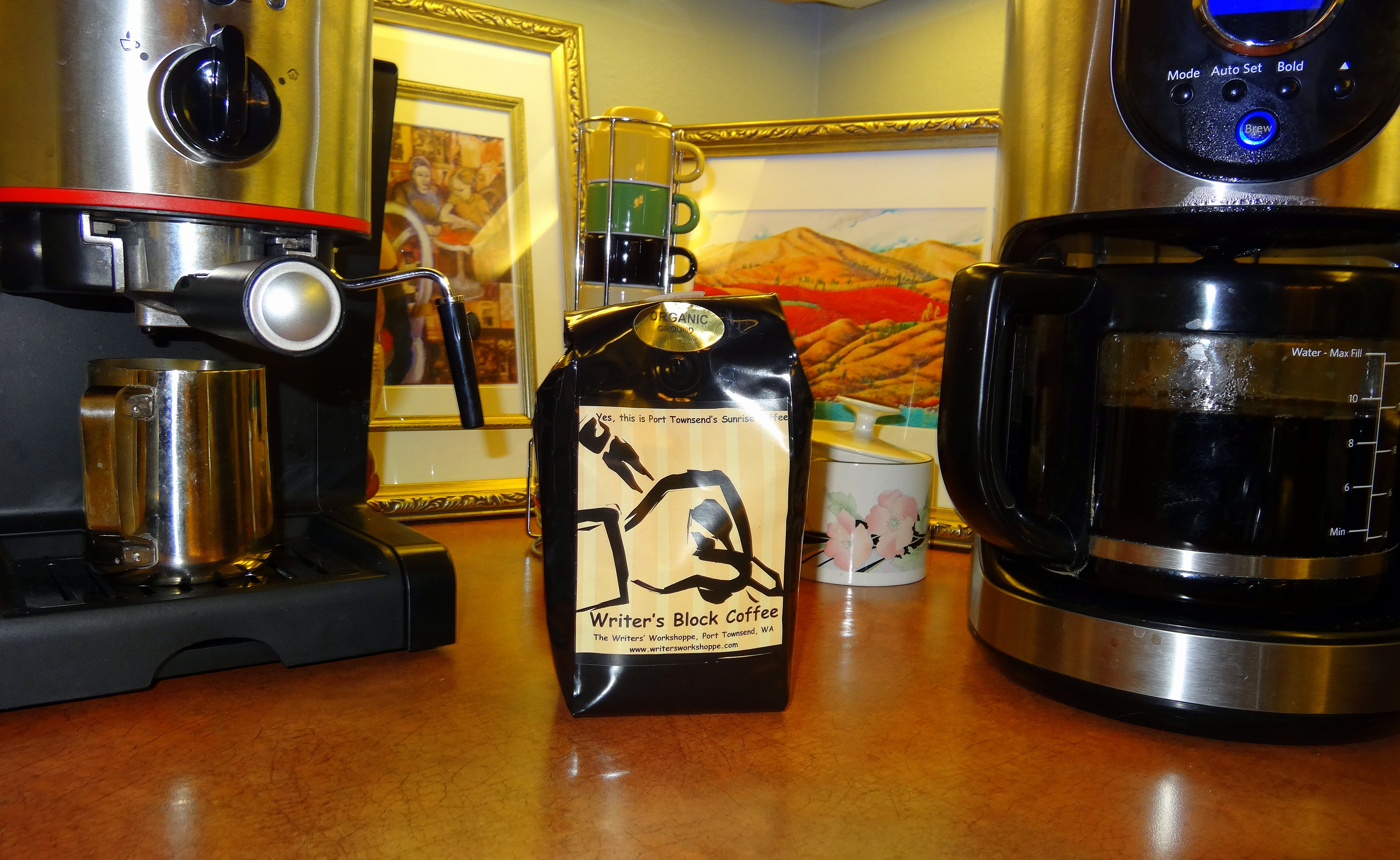
In that vein, I brew coffee, a gift from a best friend and writer, before facing the blank screen. Pavlovian conditioning comes through and words begin to flow. Yes, I’m that writing hound. For what is this chosen pursuit other than goals set and pursued? Relentlessly.
Today’s mantra? Be brave. Gain stamina and persistence through practice. Show grit. It’s the real deal.
For the last decade and more, makers of software have tried to lure writers into their electronic grasp. Their products fall far beyond our word processing needs. These programs claim to “unleash your creativity” with “programs to help you plan, structure and write your novel or…”
Your opus in an app or download. A quick search of “writing software” turns up 491,000,000 results—some free, but most? Not so much.
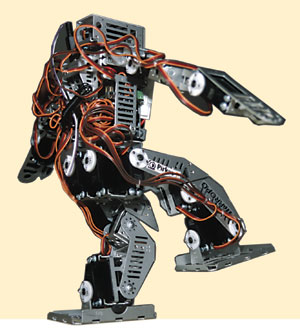
Since a law professor at my most recent alma mater raised a hue and cry for a “Department of Robotics”, I started thinking anew about how this tech has insinuated itself into so many areas of life. Vet robotic surgery, driverless vehicles, and algorithms fall into this general category. As do the aforementioned writing software/apps. Not quite Skynet—yet.
Does the trend explain the ongoing schlock issuing from the bastions of literacy in New York? And what of that oozing from Hollywood? Full disclosure: Intrepid Guy’s mancave hosts its share on our monstrously outsized screen. His love of all things tech issues from his ability to make inorganic electrons flow as he chooses.
Still… What elements imbue your favorite reads? Mine surprise me with reversals, hold characters that remain with me after I finish the story, and elicit true emotion. Yes, the opposite of the churning mill of boom, splat, boom that dominates blockbusters and movie screens. At risk of sounding cranky, I’m biased toward indie publishers, indie films, and indie bookstores.
Yet robotics has taken over the work of lower level accounting, law offices, assembly lines, and supposedly high level trading via algorithms. The results? Mixed. Hello, multiple stock market crashes.
Robotics is moving up our food chain, thus my question. Do algorithms trump the creative spark that makes us writers? Does the “boy meets girl by page 3”, “sexual sparks occur in chapter 3”, and so forth lend itself to this? And will we who write—and who begin that path as voracious readers—be satisfied with the results?
Don’t get me wrong. The late Elmore Leonard has much to recommend him as a writer: witty dialogue, stark landscapes, and streamlined narrative. His pulp westerns, then his crime and suspense novels exemplify the gritty, the bizarre, and characters with sociopathic tendencies. I’ve learned from him simply by reading his work.
You’re probably aware of Mr. Leonard’s famous—or notorious—“10 Rules”. These gems periodically fall from the electron cloud and into writerly spaces. While his method offers sage advice from a deft craftsperson, they also deal with writing process. Successful exceptions to each of Mr. Leonard’s thorny briars exist, yet I’d rather lift this discourse out of the specific weeds and into landscape design.
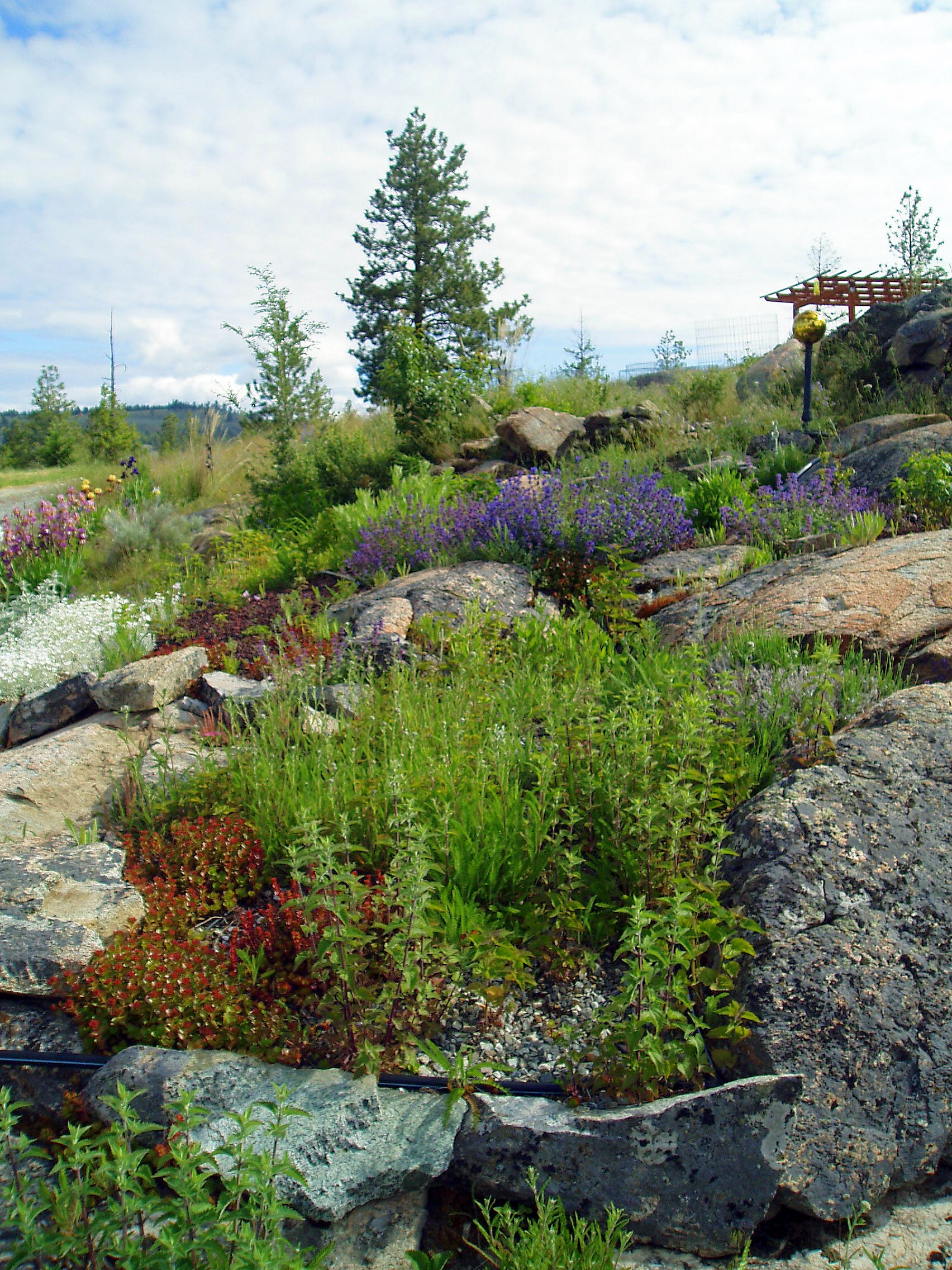
You see, every landscape designer favors a specific function when they plot growing areas. Variations depend upon available space, seasonal light, natural features, problem areas, microclimates, and hardiness zones. To be a successful terraformer, you can’t allow process to trounce purpose. The same holds true for writers.
For me, process develops through application. Yours may, too. Paramount to mine is that it advances my purpose. Usually, that means writing a compelling story that my readers will find irresistible.
When I say “usually”, I’m referring to those times when I let myself get stuck on process. I adore research—and venerate word choice—and equivocate over punctuation, especially during edits. However, there comes a time when I’m stuck in the quagmire and need to review my intentions. You may find that to be the case, too.
So by all means, use Mr. Elmore’s list to cultivate your process. Just don’t allow his or your methodology to overcome your unique vision. We’re caretakers of story—until it’s released into the world. Our purpose—my raison d’être—is to tell a %@_# good story. That entails keeping process in its place.
Now I’m off to my daily writing. How do you align process with purpose?
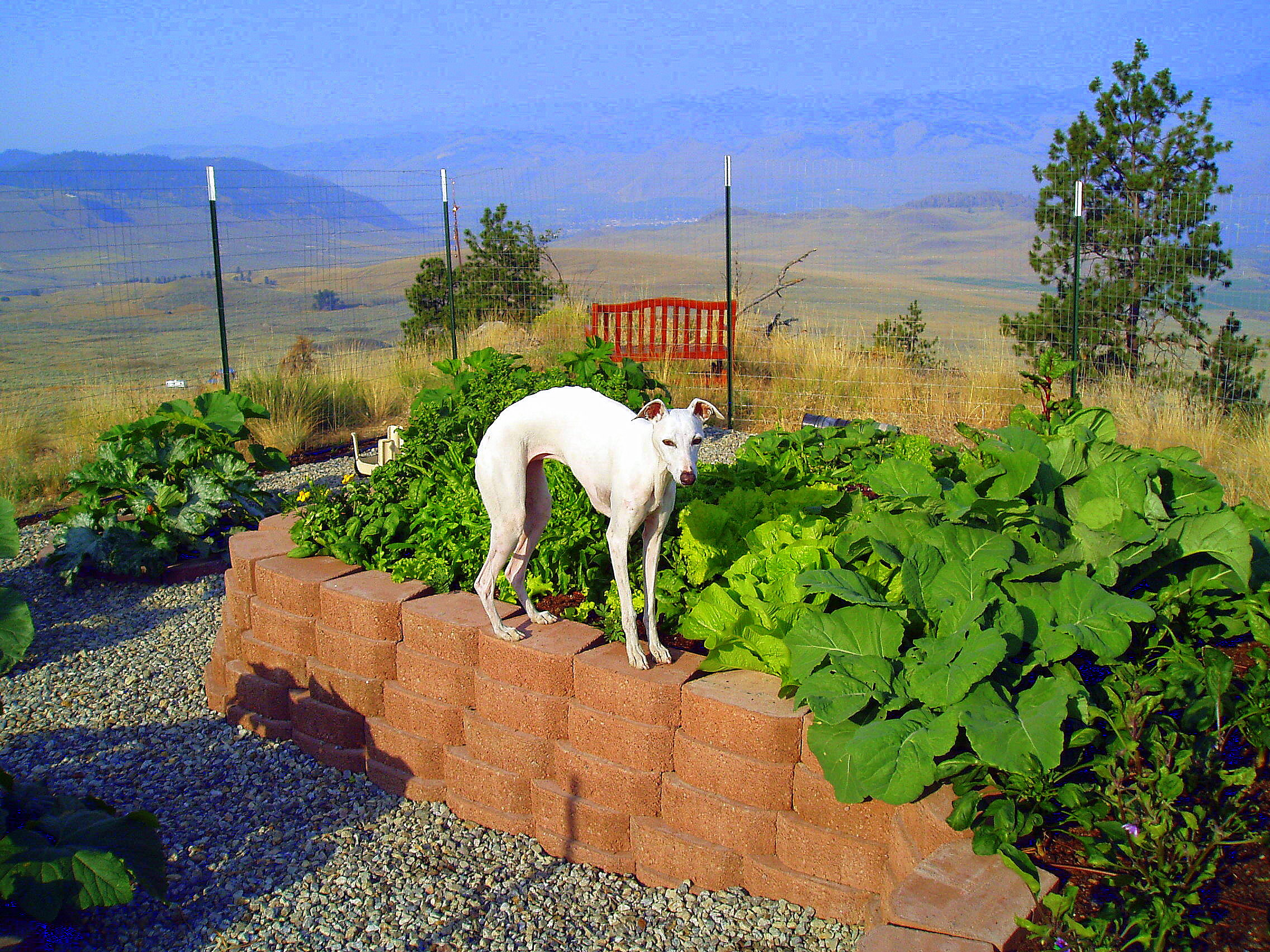
Yes, keeping purpose in mind leads to a sublime harvest—and terrific companions.
No one who knows me would accuse me of being a computer hacker. While the scope of digital life offered by computer, GPS, and yes, the Samsung devices beloved of Intrepid Guy, offer benefits, I occasionally need to read manuals. Despite my ongoing lust for cool tech, a smart phone or tablet’s at least a year into my future, mostly given where we live and the coverage we don’t yet enjoy.
Yet living a writer’s life requires hacks, too. For what is hacking other than breaking a code and getting where you are most likely not invited? Allow me to share a few with you.
Life hack #1: Feeding the brain via two universities, three community colleges, and then working as a gasp! woman in male-dominated fields.
Why is any of this pertinent to a writer? You learn to finish what you start, often under less than stellar conditions.
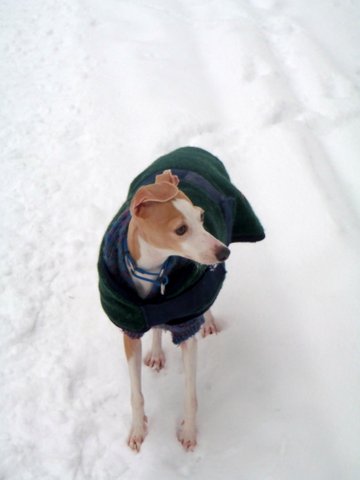
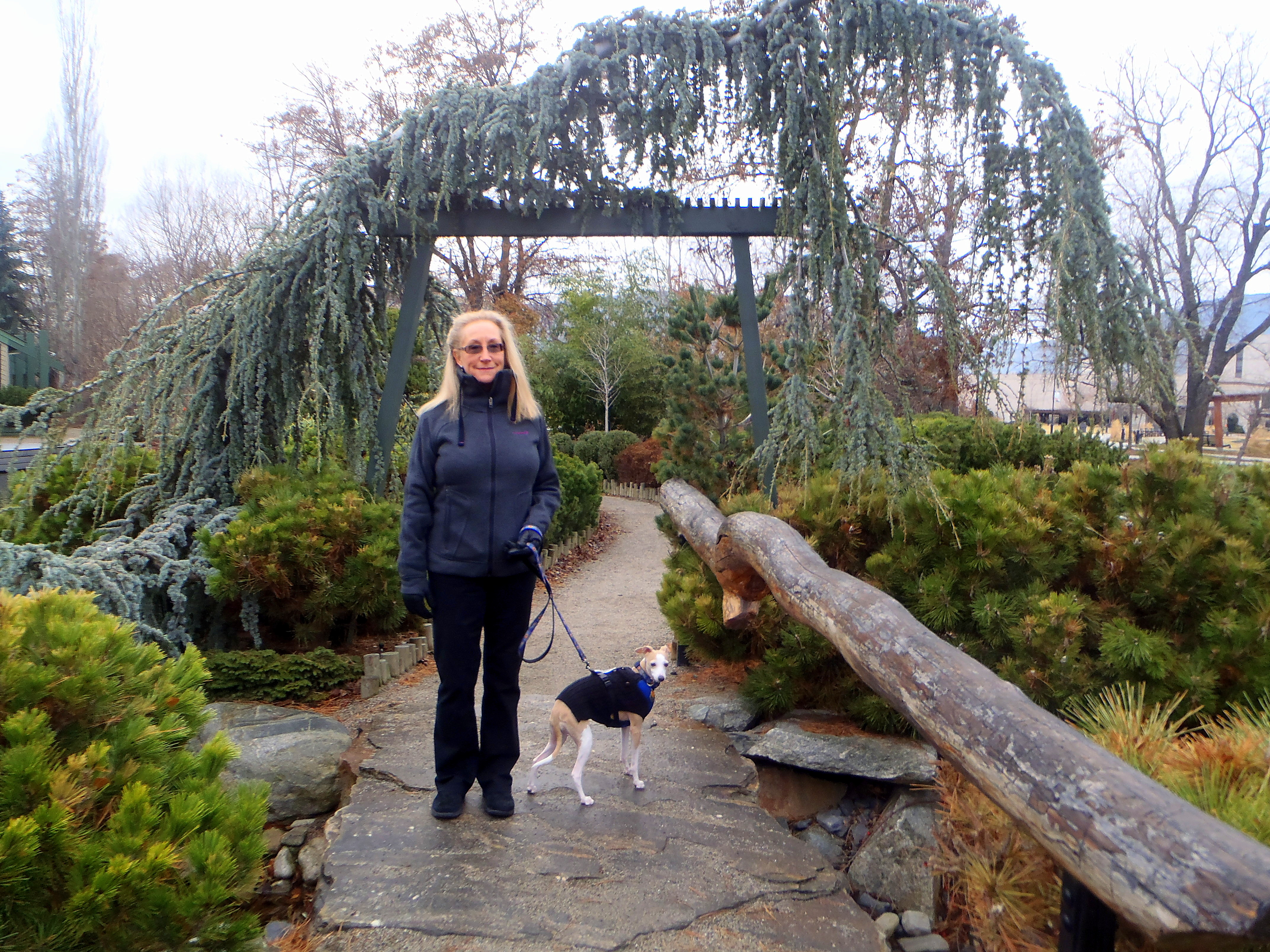
Life hack #2: Winter version: Yaktrax, poles, neck gaiter, and ear warmers with the equivalent layering for the Italian greyhound. This gets us moving while preventing the dreaded pupsicle syndrome.
Yes, dear writers, we need to exercise our torpid bodies. Blood flow’s necessary to our hyperactive brains.
“Bleh, bleh, bleh. But what does it take to become an author?” you ask.
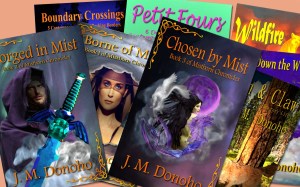
Life hacks #3-12: Write a bodacious novel—or a googolplex of stories—or whatever it takes to learn your craft. Here’s a glimpse of my current oeuvres. Plus there’s the forthcoming launch of Soundings, Water Elemental in February 2015.
It’s a circuitous trail into hacking a writer’s life. No shortcuts here. Luck is involved—along with learning craft, critical thinking, and long hours in the writing chair. Although another hack has been my standing desk…
So while the initial burst of creative juices might trigger that moment of ah-ha along with entire scenes, character sketches, and plot devices, as writers we hack our way to core story, into character, and through process.
And those, my friends, are the subjects of future blogs. I hope you’ll join me for them, too. Until then, I recommend a daily hack attack into your own writer’s life.
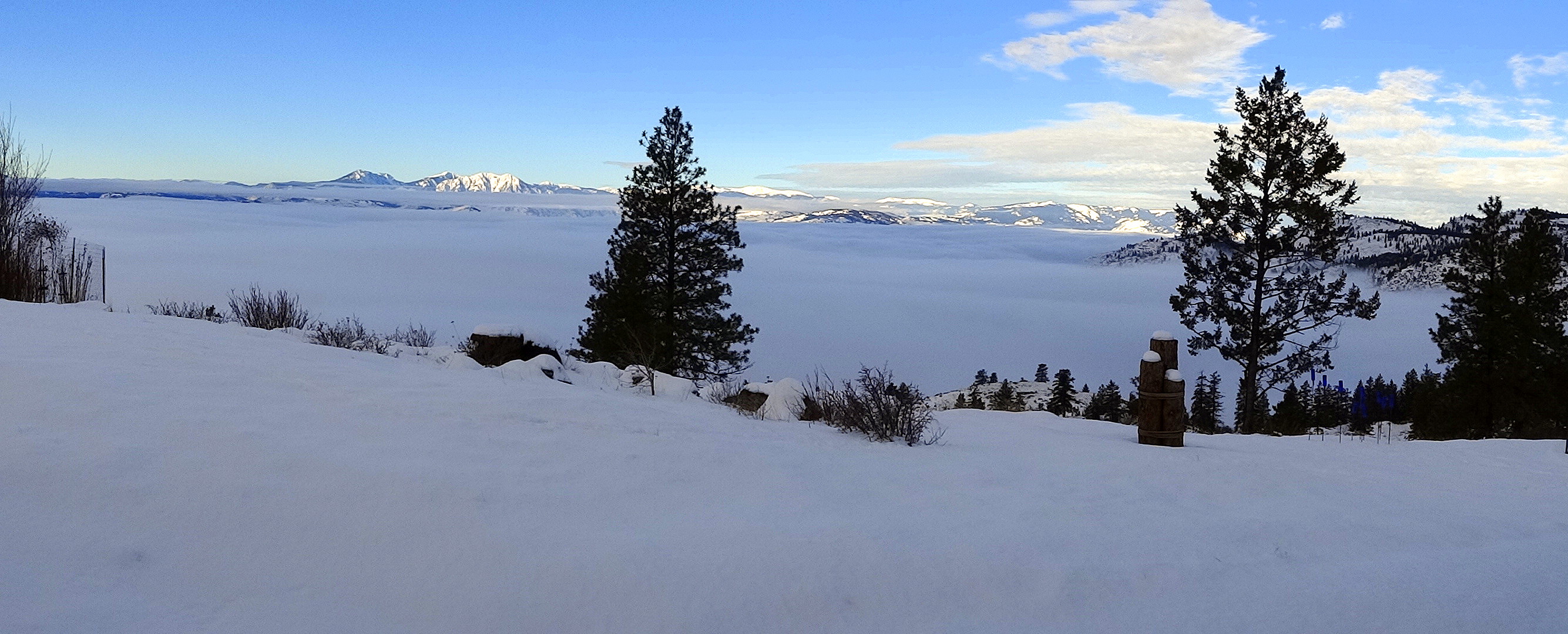
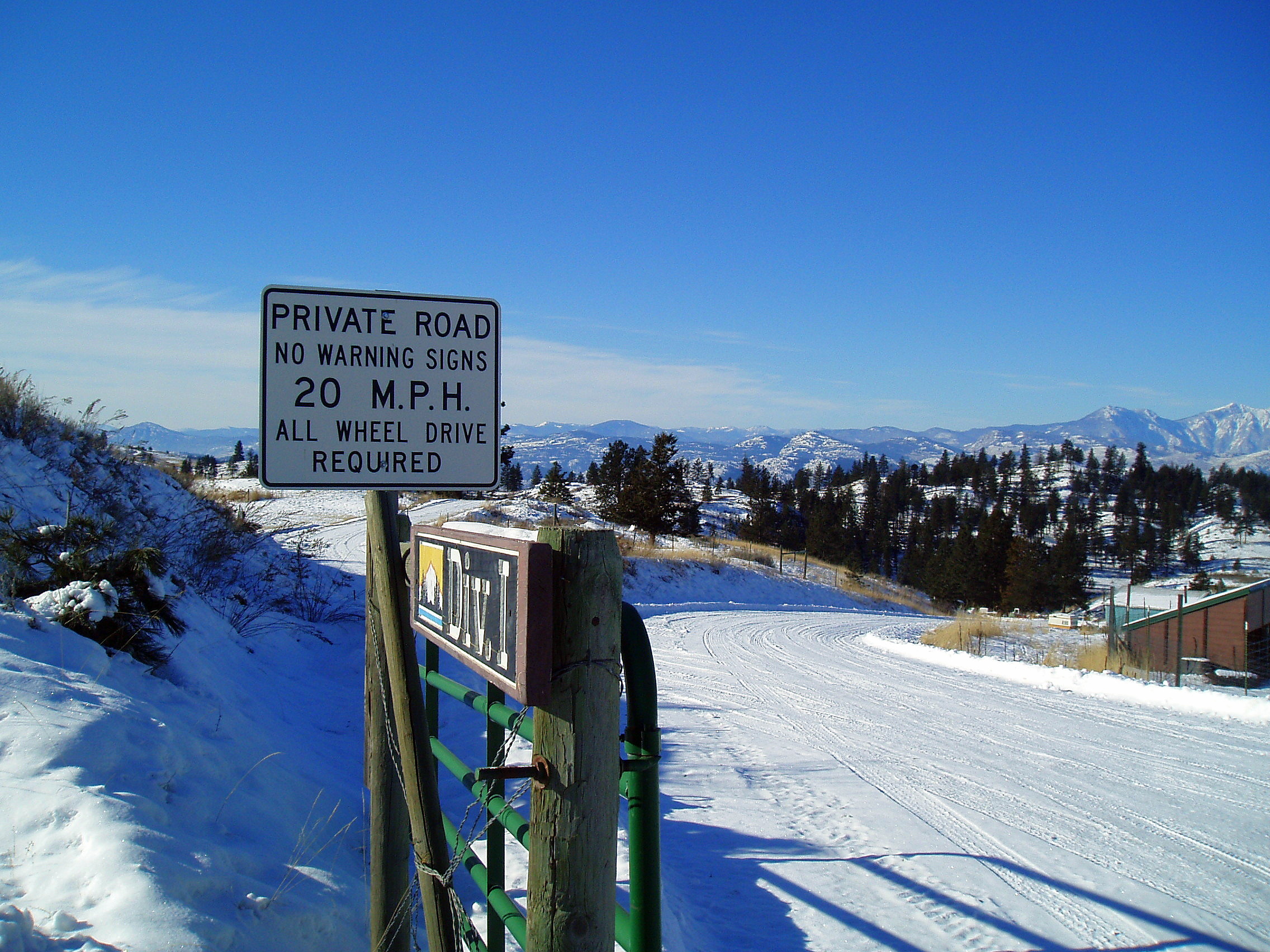
While hiking in the snow today, a freestanding gate materialized from the mist. Not intended to protect livestock, this was another silly human attempt to restrict access. It clamored “mine, mine, mine” even as deer, coyote, and bobcat prints infringed on its periphery. My response? Gateways offer a way in—a transition between this side and the other. In other words, a call to adventure.
Written transitions elicit the same sense of excitement for me. No, I’m not talking about those boring, yet necessary, expressions that unify your opus via “and, whereas, because, yet, immediately…” Yawn. I’m more interested in the movement between one action and the next, which eventually develops as conflict, plot, and story arc. Those, I want to be dynamic, elegant, and somewhat imperceptible.
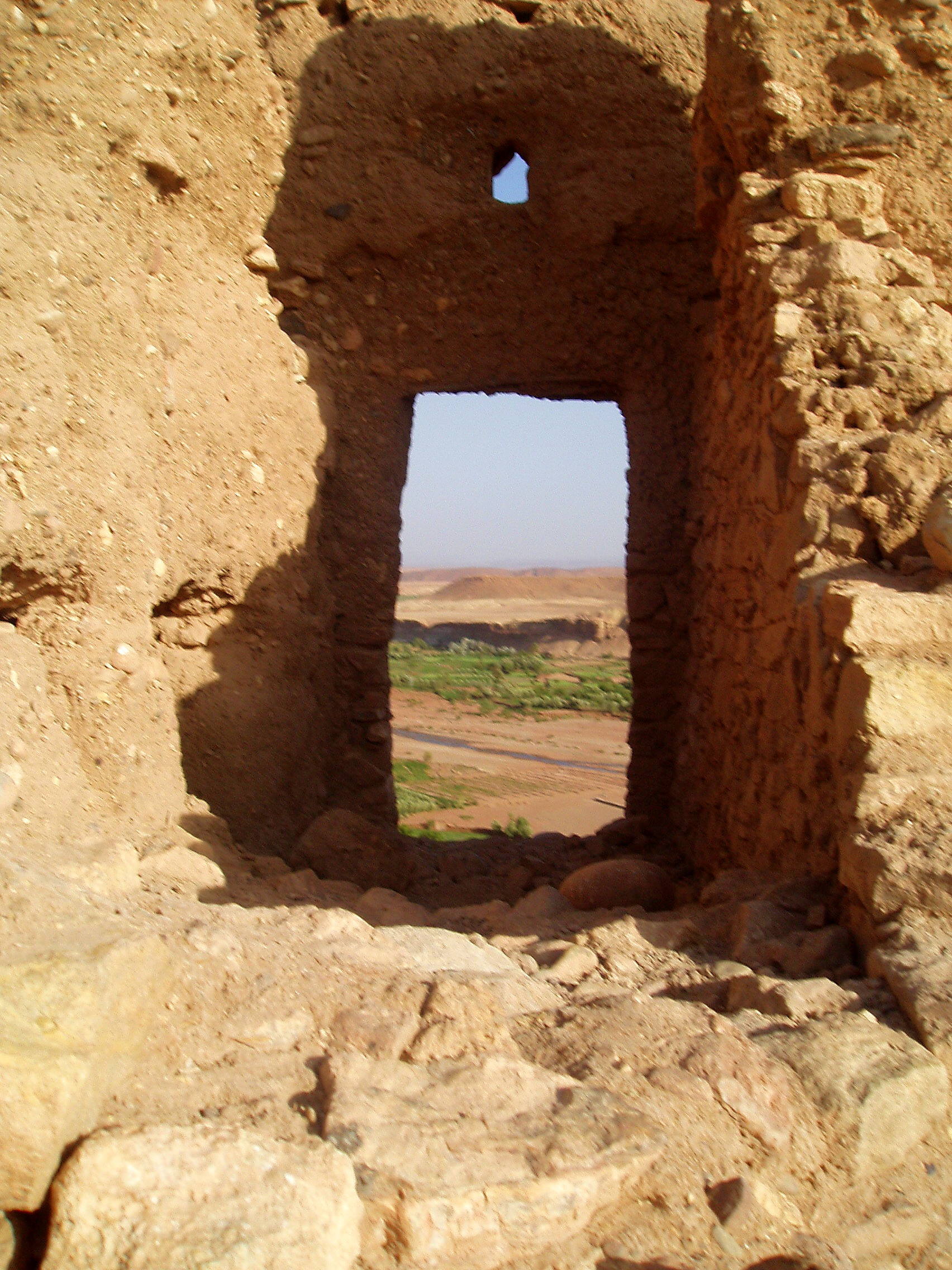
Now back to corporeal entryways. During international journeys, each culture’s approach to either invitation or deterrent fed my curiosity. Thus I’ve filled albums, both virtual and concrete, with photos of portals between one space and another. What insights I’ve gained animate my writing.
So enjoy this visual of portals. May they rouse your inquisitiveness and make you want to explore what’s on the other side. Our efforts as storytellers aspire to invite readers in, after all, and travels to the other side can enrich that experience.

 Oh, the rarefied air we artists breathe. Cogs in the greater wheel or isolated hermits toiling in a cave? We’re trying to figure that out even when everyone’s a “creative” and art has transformed once again into a craft populated by artisans.
 With the upcoming launch of my latest novel Soundings, Water Elemental, the necessities of social media have inundated me. I’m ensnared by the current model for artists who’ve morphed into creators whose daily work and lifestyle require processing for consumption. Remember the pink slime of hamburger fame?
 absorbed craft, and now? Well, they’re professionals who support families, small towns, and the new corporate paradigm of “producerism.” The destructive force of a fully operational death star—er—marketplace has been brought to bear.

















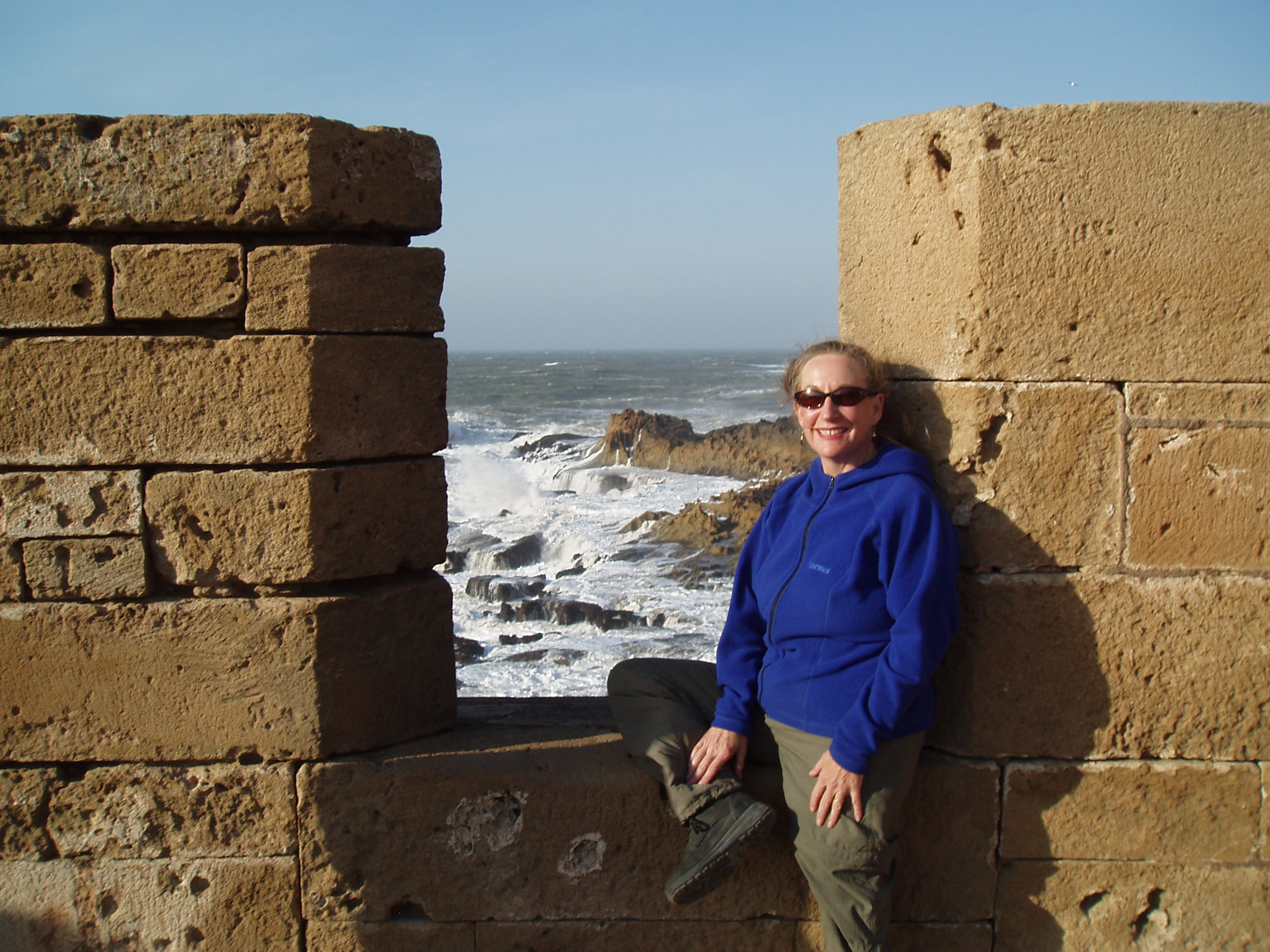


 Janine Donoho